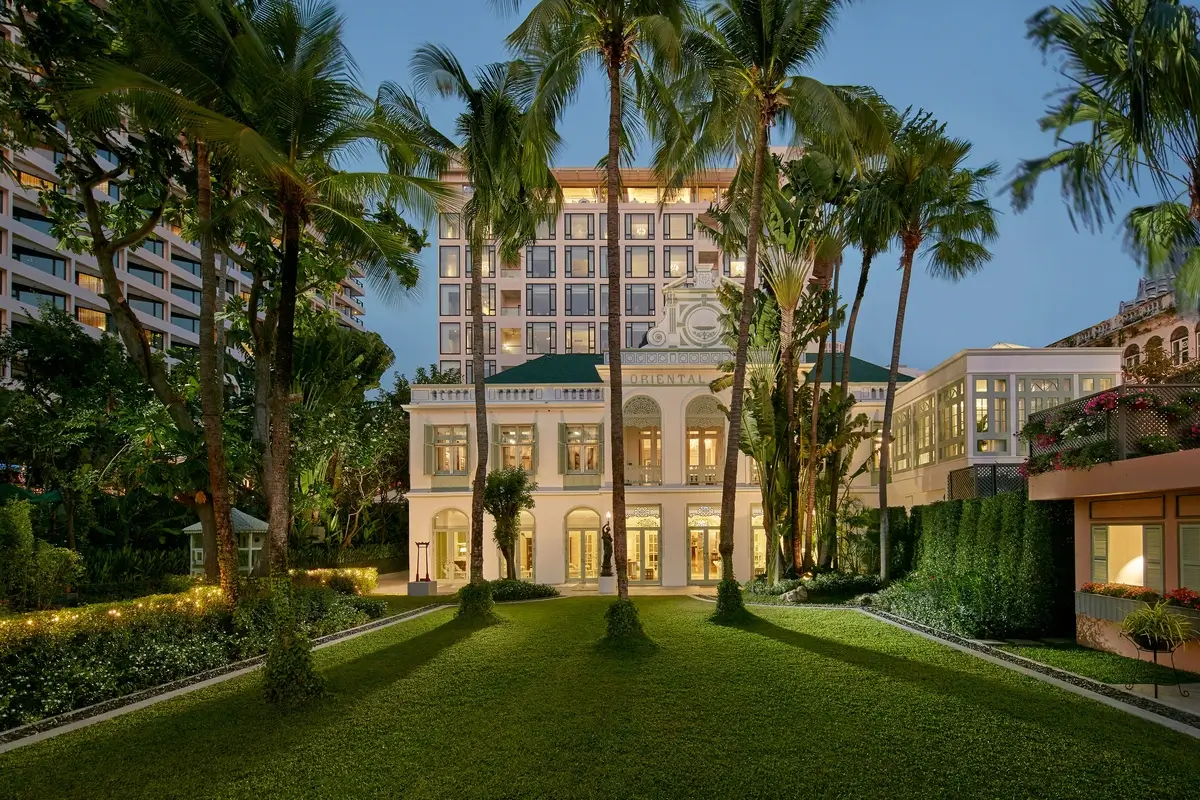
Mandarin Oriental, Bangkok earns its standing as the city’s grande dame through more than heritage. Its draw is the Chao Phraya setting, an established sense of ceremony, and enough dining and leisure to make time at the hotel a deliberate part of the trip. We would choose it for a celebratory Bangkok stay, or for travelers who want the hotel to carry real weight in the itinerary.
The qualification is practical: the Oriental Spa and some recreation and dining facilities are across the river. The crossing is part of the experience, but it does require planning.
At a glance
- Hotel
- Mandarin Oriental, Bangkok
- Address
- 48 Oriental Avenue, Bang Rak, Bangkok 10500, Thailand
- City
- Bangkok
- Country
- Thailand
- Phone
- +66 2 659 9000
- [email protected]
- Website
- Official website
- Setting
- City, riverside. In Bangkok's historic Bang Rak district on the Chao Phraya River, the hotel has private boat links to its spa across the water, IconSiam and the Skytrain.
- Style and atmosphere
- A historic riverside grand hotel whose 19th-century Authors' Wing sits alongside renovated contemporary accommodation. Tropical gardens, Thai silk, polished teak and a strong sense of ceremony create a classic, quietly formal atmosphere.
- Best suited to
- Couples, honeymooners, luxury heritage enthusiasts and food-focused visitors who want a riverside retreat with easy access to the city.
- Accommodation
- 331 rooms and suites: 271 rooms and 60 suites, with river views and butler service. The Chao Phraya Suites have private terraces over the river, with selected suites arranged over two levels.
- Standout facilities
- The Oriental Spa in a traditional Thai house across the river; Oriental Wellness Club; two outdoor pools; Anne-Sophie Pic at Le Normandie; The China House by Chef Fei; Authors' Lounge; Bamboo Bar; private teakwood shuttle boats; tennis and Thai cooking classes.
The case for Bangkok’s grande dame
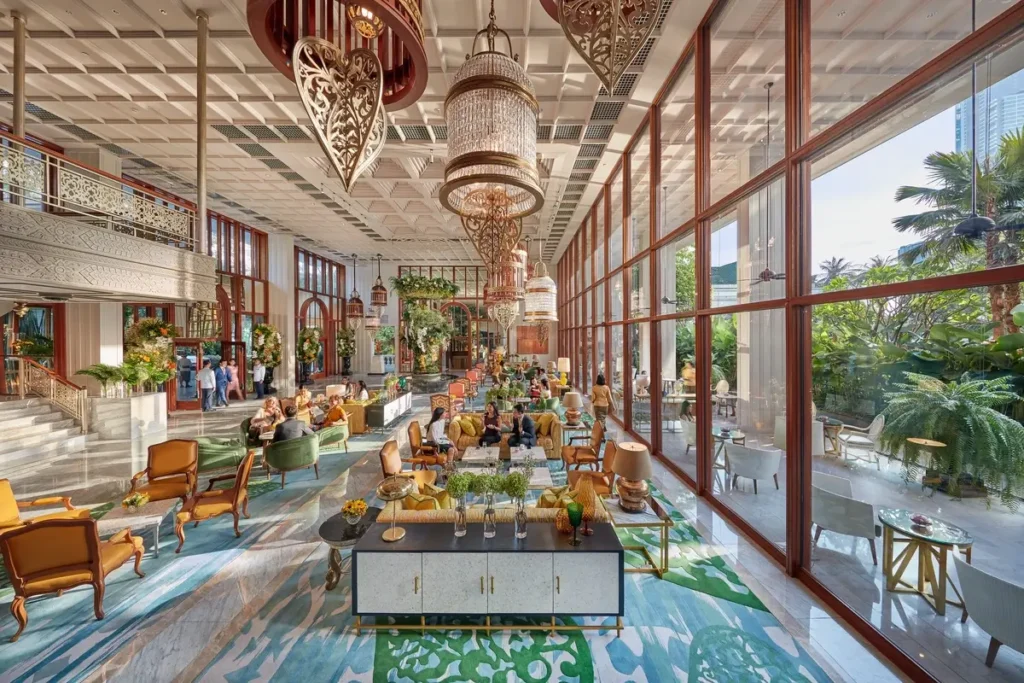
The hotel traces its origins to The Oriental in 1876, and its relationship with the river remains central to its identity. The Chao Phraya shapes the outlook, dining choices, and pace of a stay. This is a historic hotel whose appeal extends well beyond the age of its buildings.
The original structure survives as the Authors’ Wing, while later accommodation and renovations have expanded the property over time. The result is a hotel of distinct parts rather than a single uniform building. For travelers drawn to formal hospitality, historic character, and a hotel with its own social life, that accumulated history is part of the appeal.
A riverside address with a two-bank layout
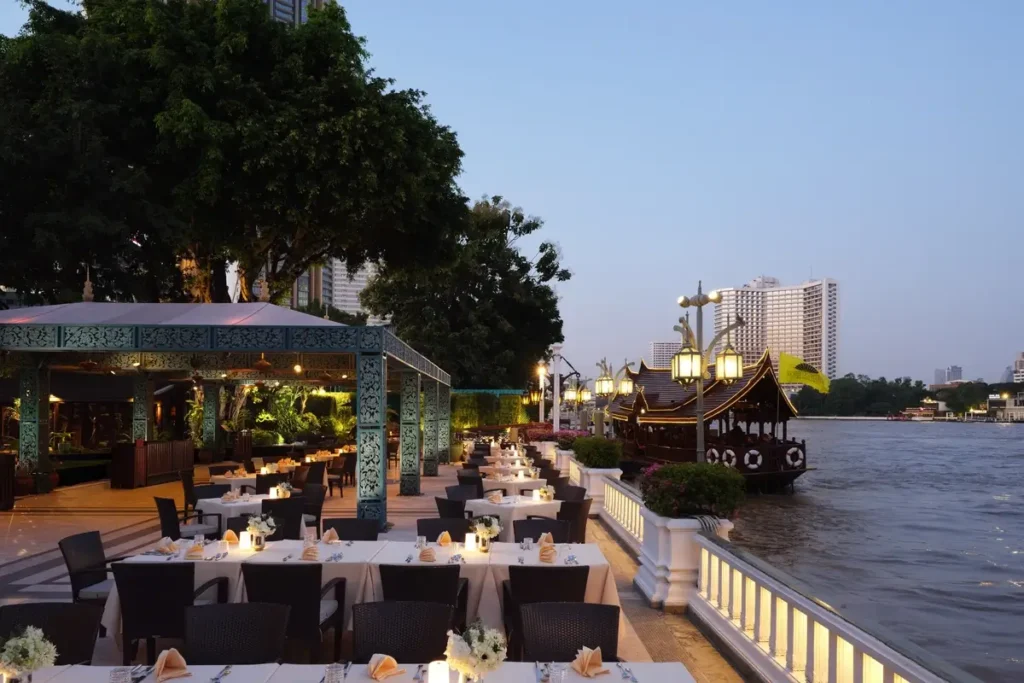
Mandarin Oriental, Bangkok is at 48 Oriental Avenue in Bang Rak, beside the Chao Phraya River. The riverside location offers access to boat transport and puts the hotel within Bangkok’s historic cultural district. For a broader view of the city, see Calanova’s Bangkok guide.
The River Wing and Garden Wing contain much of the accommodation, with many of the dining venues on the main side. Across the water are the Oriental Spa and additional dining and recreation facilities. The hotel operates teakwood shuttle boats, though routes and schedules are worth confirming before arrival.
A spa appointment or dinner across the river becomes a separate outing rather than a short walk from the room. That distinction will appeal to guests who enjoy making time for the hotel itself. Travelers with tightly scheduled days or specific accessibility requirements should confirm the crossing arrangements before booking.
Location
Choose a room for its outlook and space
The best room decision is not simply a question of square footage. Consider whether a river outlook, a terrace or balcony, separate living space, or the character of a particular wing matters most. Rooms of similar size can offer quite different arrangements.
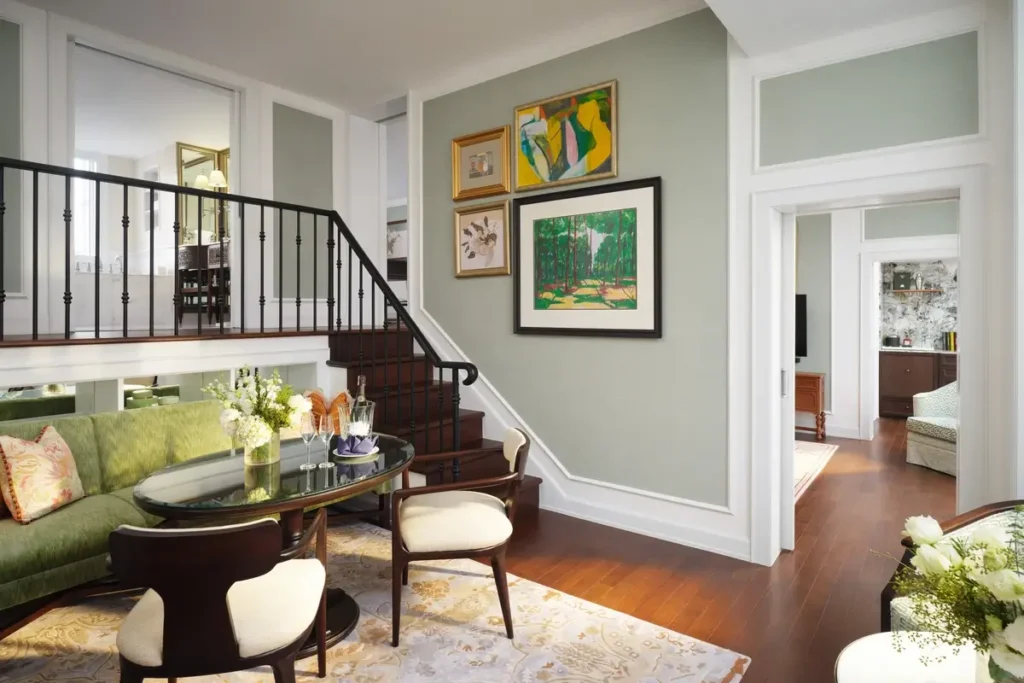
The Chao Phraya Suite is the clearest choice for couples who want the river to be central to their stay. Set in the Garden Wing, this 83-square-meter one-bedroom suite has a private terrace, floor-to-ceiling windows, panoramic river views, and a dining area for four. It is available in single-level and split-level layouts, so confirm which configuration you are booking. The suite accommodates a maximum of two guests.
The Deluxe One-Bedroom Suite also measures 83 square meters, but offers a different proposition: a private balcony, distinct sitting and dining spaces, and a poolside or river outlook depending on the unit. The comparison is useful precisely because the two categories have similar floor areas. Choose between them on the basis of layout and outdoor space, not size alone.
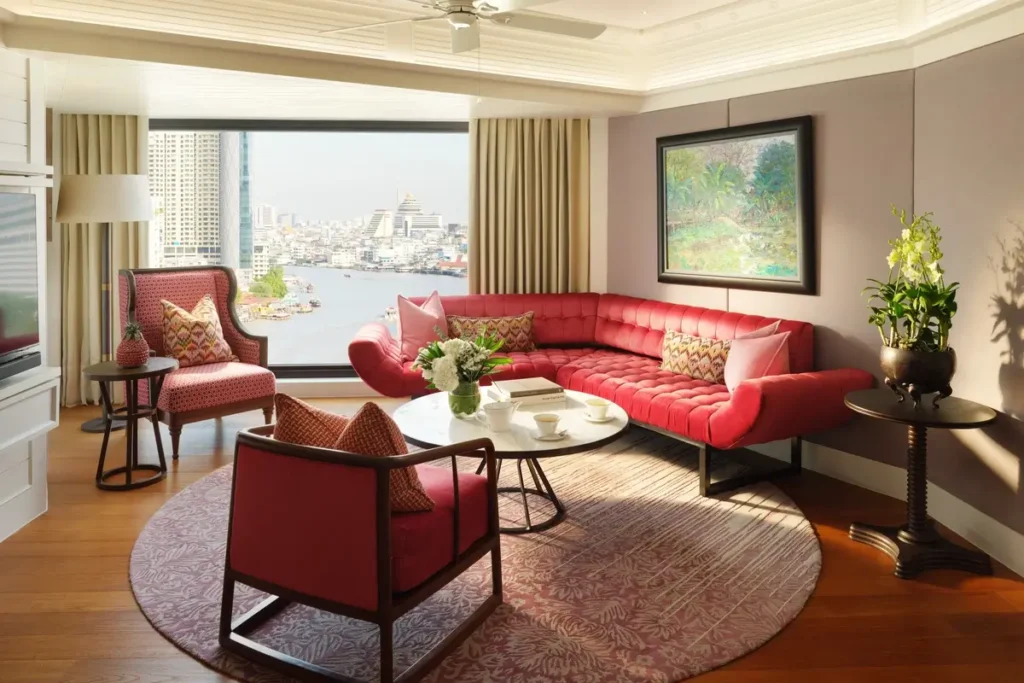
For more room, the Premier One-Bedroom Suite spans 108 square meters and includes separate living and dining areas, a pantry, walk-in closet, and marble bathroom. Families or groups needing two bedrooms should consider the 169-square-meter Selandia Two-Bedroom Suite, with its spacious living room, study area, dining space, and two balconies with river and city views.
We would favor the Chao Phraya Suite for its private terrace and direct river outlook, a larger one-bedroom suite when extra living space matters, and a two-bedroom configuration for a family stay. Confirm the exact view and floor plan before committing to a category.
Dining gives guests reasons to stay on property
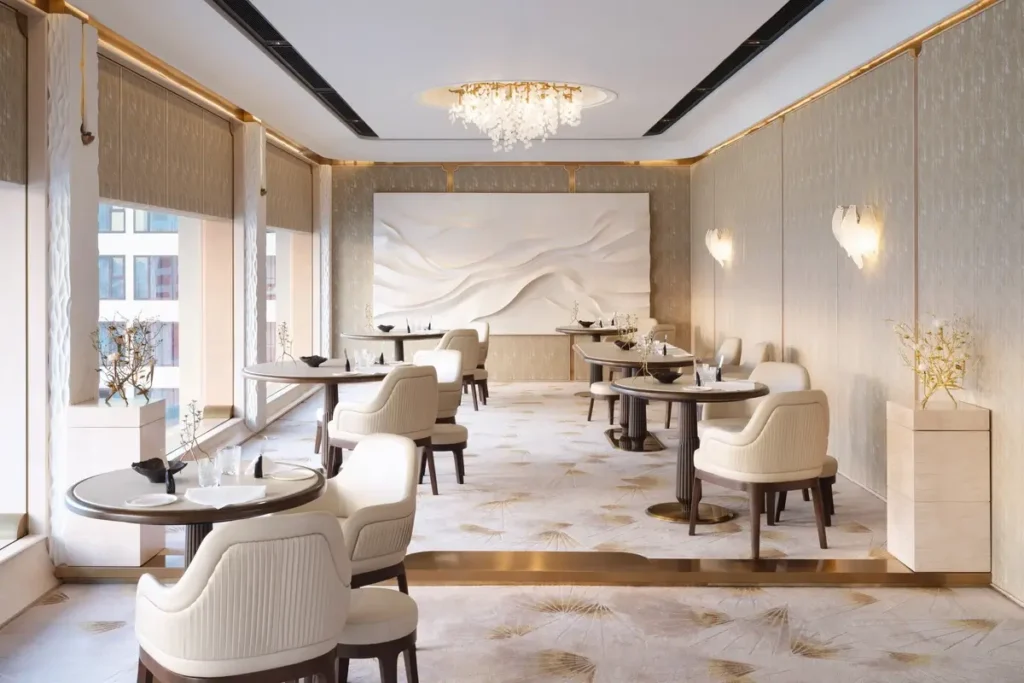
Dining is a serious part of the Mandarin Oriental proposition, not a fallback for guests who do not venture into Bangkok. Its restaurants range from French fine dining at Anne-Sophie Pic at Le Normandie to Thai cooking at Sala Rim Naam across the river, with Chinese and Italian options elsewhere on the property.
The Bamboo Bar is the natural evening choice for guests seeking a classic hotel bar with live jazz, while the Authors’ Lounge is the more ceremonial setting for afternoon tea in the historic wing. These are different experiences: one extends the day into the evening, while the other belongs to the hotel’s heritage-led side.
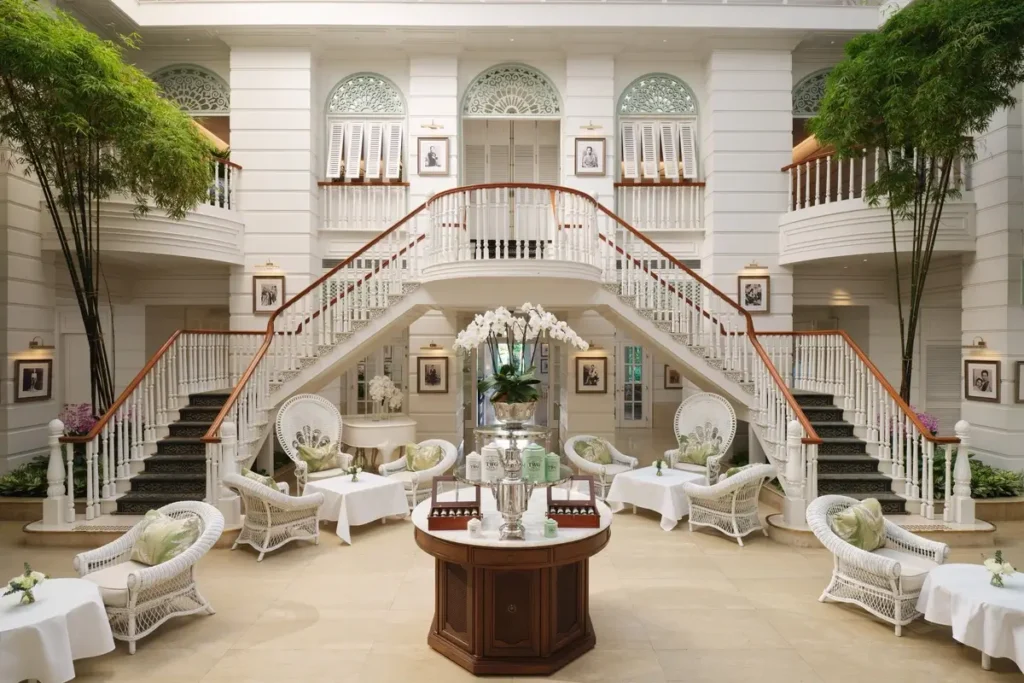
For a meal with a different emphasis, Lord Jim’s focuses on seafood and prime cuts overlooking the river. This breadth is particularly compelling on a short stay, when guests want several distinct dining experiences without relying on the city for every reservation.
Restaurant lineups and operating days can change, and some venues are seasonal. Reserve priority restaurants and afternoon tea in advance, especially if a particular dining experience is central to the trip.
The spa and some recreation require a river crossing
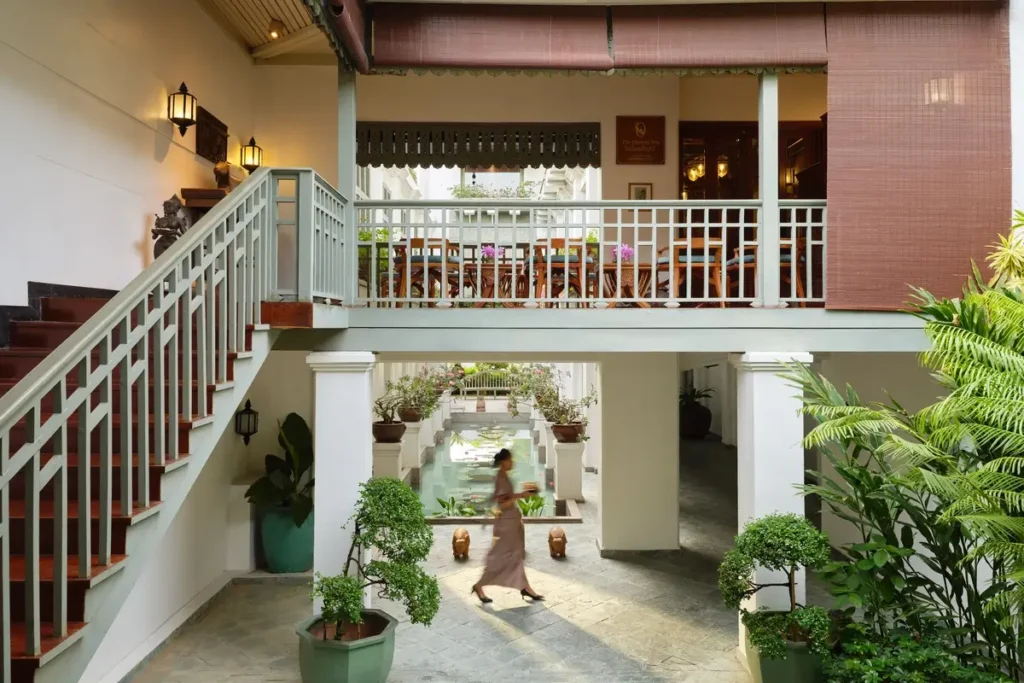
The Oriental Spa is among the stay-defining reasons to choose the hotel. It occupies a traditional Thai house on the opposite bank, reached by boat. The separation gives a treatment a sense of occasion, but it also means allowing time for the crossing.
The opposite bank also contains the fitness center, Muay Thai and yoga studios, tennis courts, and the cooking school. Together, these offer more than a token wellness program for a city hotel. They are worth planning into the itinerary rather than fitting between appointments.
The river-facing swimming pool remains on the main side of the hotel, making it the easier option for unstructured downtime. The distinction is straightforward: pool time can be spontaneous; spa and recreation across the river call for a little more organization.
Who should book Mandarin Oriental, Bangkok?
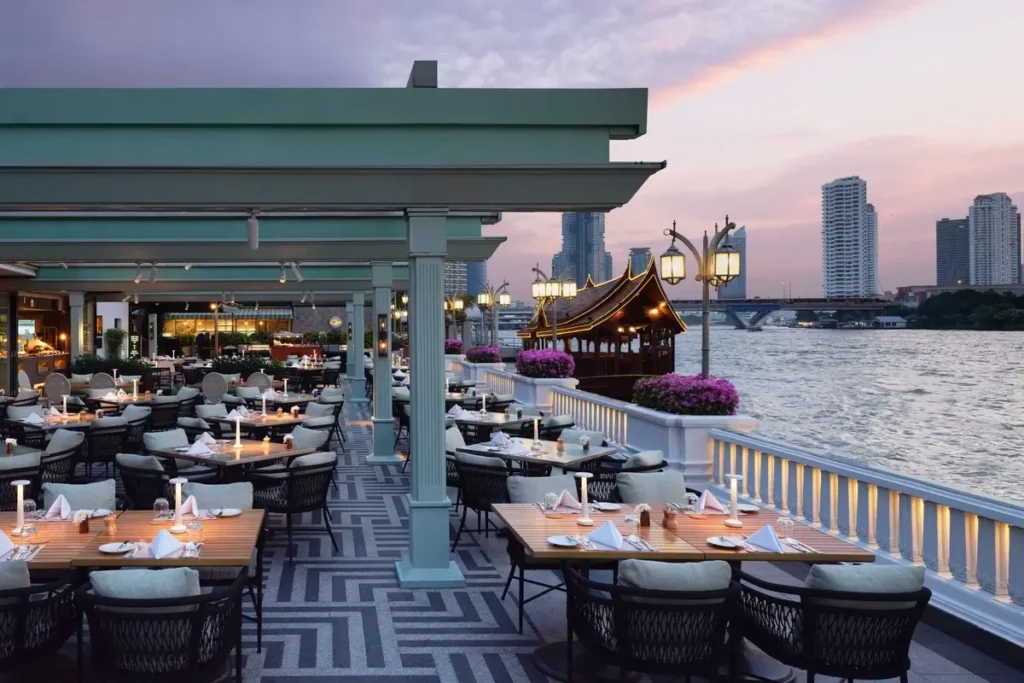
Mandarin Oriental, Bangkok suits travelers who want a historic grand hotel with a distinct Chao Phraya identity, substantial dining, and enough leisure facilities to make the property a destination within the city. Its strengths matter most to guests who plan to use them, rather than treating the hotel solely as a place to sleep.
We would book it for couples, celebratory stays, and travelers who enjoy a hotel with ritual and personality. Those who need every facility in the same building, or who prefer a tightly scheduled stay with minimal transfers, may be happier at a more compact property.
Things to know: The spa and some recreation facilities require a hotel boat crossing. Confirm current shuttle arrangements, accessibility needs, and restaurant reservations before your stay.
Choose it when the hotel’s heritage, dining, and riverside setting are as important as Bangkok beyond its doors.