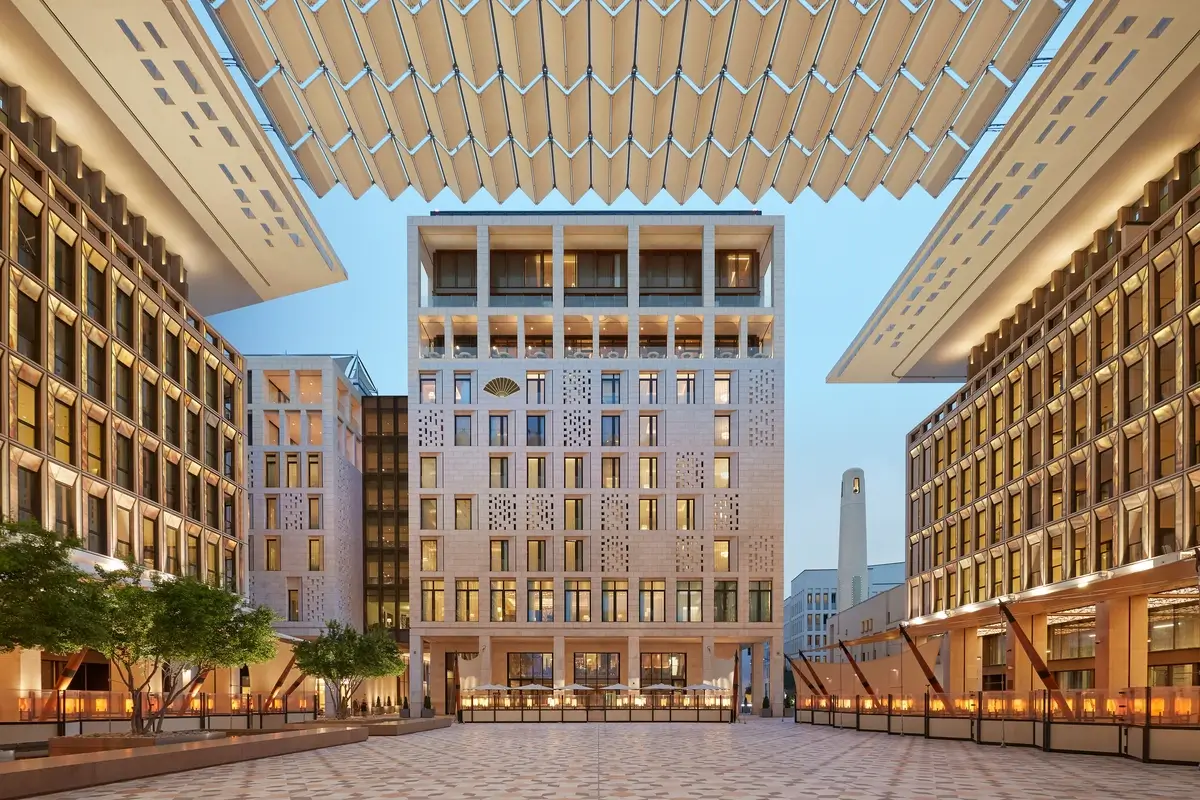
Mandarin Oriental, Doha makes its strongest case through its location in Msheireb Downtown. Souq Waqif and the Corniche are within walking distance, while the hotel’s Qatari-influenced rooms, substantial dining program, spa, and rooftop pools make it an appealing base between city plans. We’d choose it for a first visit to Doha, a cultural city break, or a business stay centered on the historic core. Travelers whose days revolve around West Bay or a beachfront resort will have different priorities.
At a glance
- Hotel
- Mandarin Oriental, Doha
- Address
- Barahat Msheireb Street, Msheireb Downtown Doha, PO Box 23643, Doha, Qatar
- City
- Doha
- Country
- Qatar
- Phone
- +974 4008 8888
- [email protected]
- Website
- Official website
- Setting
- City, historic downtown. Overlooking Barahat Msheireb Square in the regenerated center of Doha, the hotel is within walking distance of Souq Waqif, Msheireb Museums, and the Corniche.
- Style and atmosphere
- David Collins Studio's interiors combine contemporary finishes with patterns inspired by Qatari weaving, pearling, and desert landscapes. The hotel feels intimate and residential despite its central location, with warm public rooms looking toward a lively town square.
- Best suited to
- Culture-focused couples, business travelers, families seeking multi-bedroom accommodations, and longer-stay guests wanting a walkable downtown base.
- Accommodation
- 249 rooms, suites, and serviced apartments: 117 rooms, 41 suites, and 91 apartments, including one- to four-bedroom layouts. The 465 sq m two-bedroom Royal Suite has its own elevator, an open-air courtyard, and a private plunge pool.
- Standout facilities
- Two rooftop swimming pools; spa with six treatment rooms and two VIP suites; fitness and wellness center; Mosaic live-cooking restaurant; Liang Chinese dining; IZU Mediterranean restaurant; Aqua rooftop venue; Baraha Lounge; ballroom and meeting rooms.
Msheireb is the reason to stay
The hotel overlooks Barahat Msheireb, the central square of a redeveloped district that combines contemporary architecture with traditional Qatari urban influences. Shops, restaurants, and cultural institutions are integrated into the neighborhood, giving the address a more pedestrian-friendly character than Doha’s larger commercial districts.
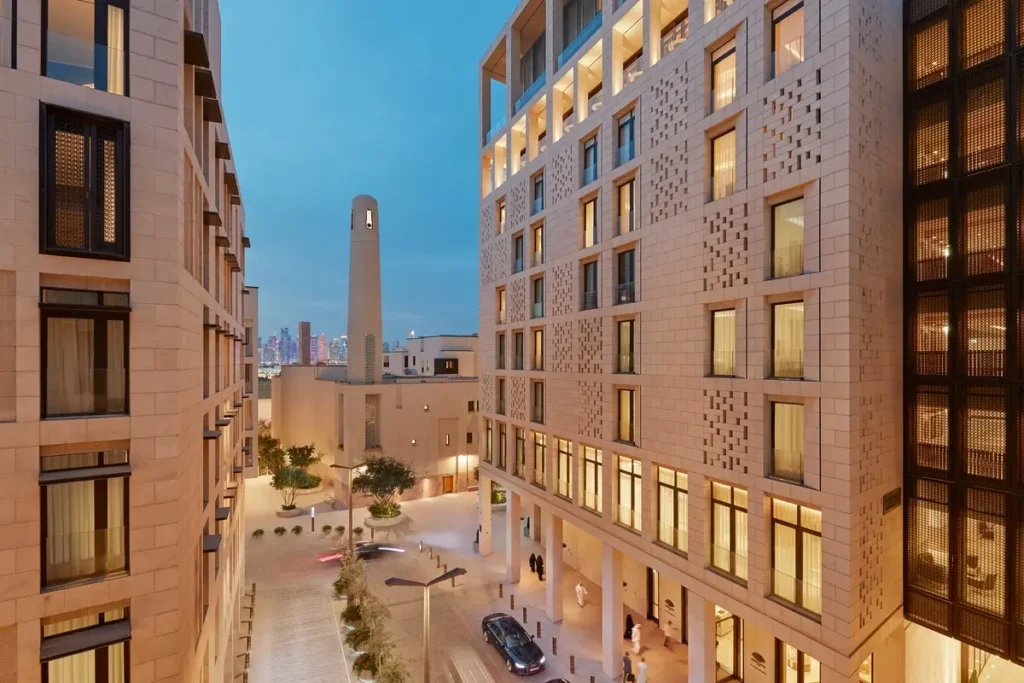
The hotel estimates a 10- to 15-minute walk to Souq Waqif, Msheireb Museums, and the Corniche. That proximity is particularly useful for a first visit: guests can explore the souq or waterfront, return to the hotel during the afternoon, and head out again for dinner without arranging transport for every journey. For broader destination planning, see Calanova’s Qatar coverage.
West Bay is a different proposition. Business meetings and appointments there generally require a car, and travel times depend on traffic. Mandarin Oriental is the more natural choice when Msheireb and central Doha are the focus, with trips to the city’s other districts arranged around that base.
Location
Rooms: when the view is worth the upgrade
The rooms combine contemporary furnishings with traditional Qatari decorative elements, including Arabesque patterns, mosaics, and woodwork. Even the entry-level categories have substantial floor areas, but the most important differences concern the outlook, outdoor space, and separation between sleeping and living areas.
The 45-square-meter Superior Room is a sensible choice for a short stay, with a working-dining table, floor-to-ceiling windows, and a bathroom with a separate bath and rain shower. The 50-square-meter Deluxe Room adds a sofa and more room to work or relax. Both categories may overlook either the city or an internal courtyard, so the additional space does not guarantee a better view.
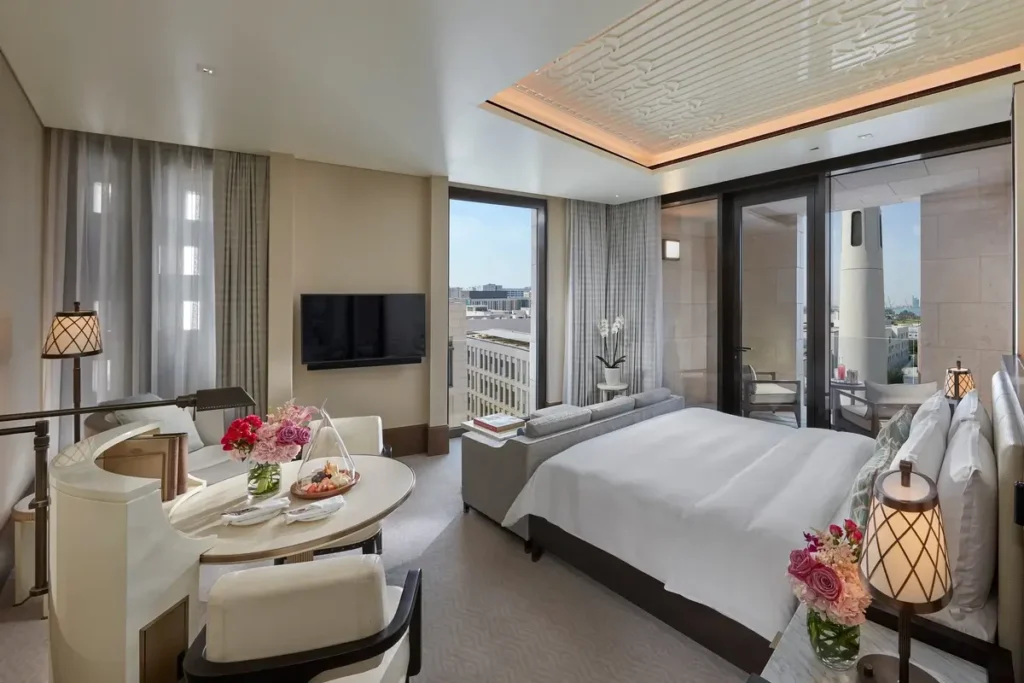
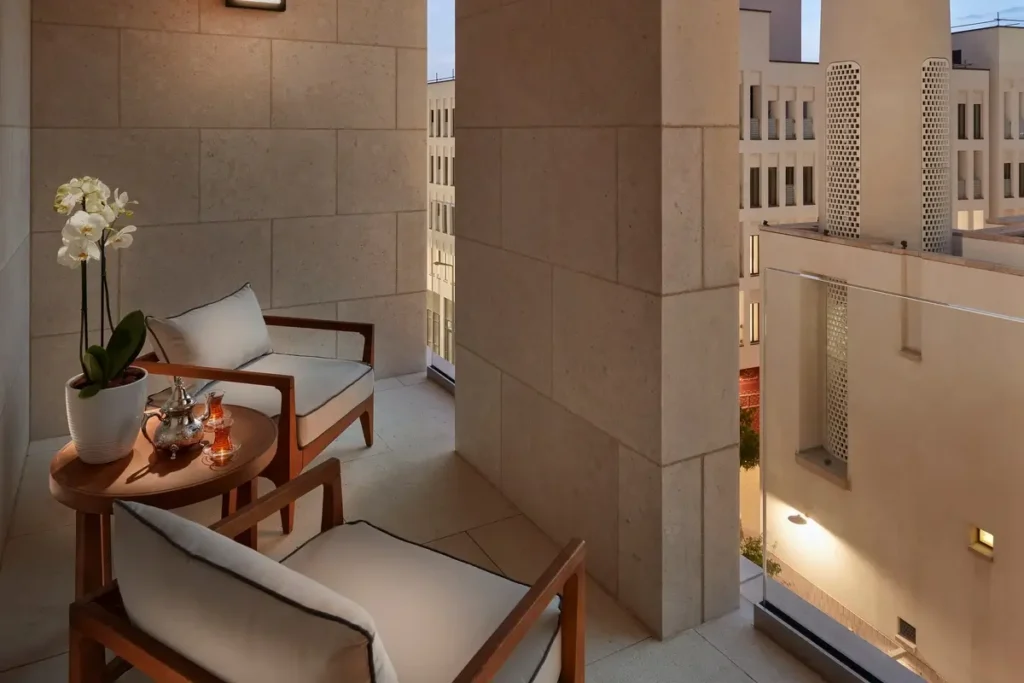
We’d favor the 60-square-meter Premier Room when the outlook is a priority. Its corner position offers 270-degree views across Msheireb Downtown, and a private balcony provides outdoor seating above the district. For a couple planning to spend meaningful time at the hotel, that combination is a more persuasive upgrade than simply moving into a larger room without a guaranteed city view.
Suites become relevant when the interior layout needs to work harder. The 70-square-meter Studio Suite has a partitioned arrangement with separate sitting and sleeping areas, giving guests more flexibility within a largely open-plan format. The 80-square-meter Junior Suite is the stronger choice for genuine separation, with an independent living room, private foyer, and balcony overlooking Msheireb. We’d consider it for a longer business stay or for travelers who want a distinct space to work without occupying the bedroom.
At the far end of the inventory, the two-bedroom Royal Suite includes a private elevator, open-air courtyard, and plunge pool. Its residential scale serves a different purpose from the standard rooms and junior suites. Most couples and short-stay visitors will have little reason to move into that category when a Premier Room or Junior Suite already provides the outlook and living space they need.
Two rooftop pools with different purposes
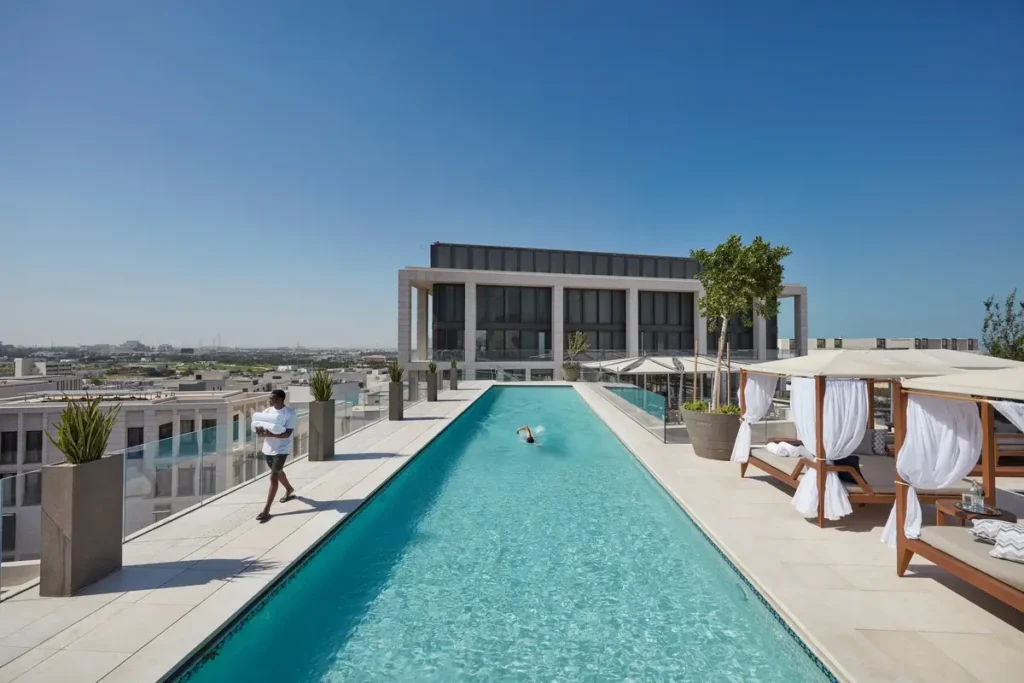
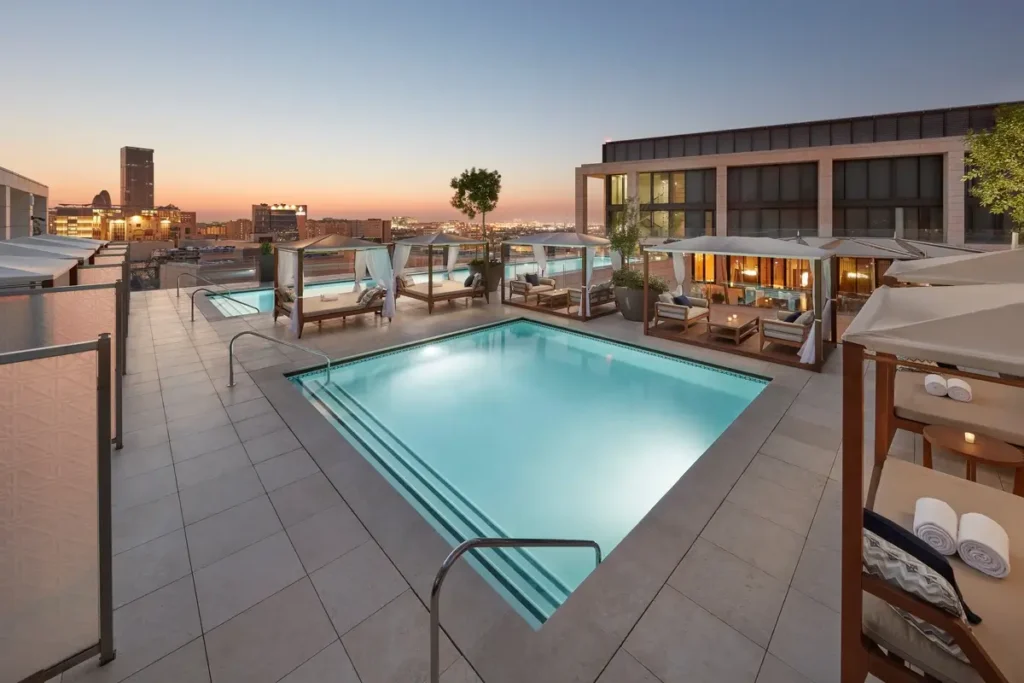
The rooftop swimming facilities are more useful than a conventional pair of decorative hotel pools. The 25-meter temperature-controlled lap pool provides room for proper swimming, while the separate leisure pool, 1.2 meters deep, is better suited to cooling off and spending time by the water. Sun loungers and private cabanas complete the rooftop setting, with views across Doha’s skyline.
This distinction matters for travelers who expect to use the facilities regularly. The lap pool is a genuine advantage for guests maintaining a swimming routine, while the leisure pool offers an easier setting for downtime between sightseeing or meetings. Together, they give the hotel a substantial outdoor amenity despite its urban footprint.
The spa adds another dimension, with private treatment suites, thermal facilities, and relaxation areas informed by Mandarin Oriental’s Asian wellness traditions and local influences. The fitness center and dedicated exercise studios provide further options for guests planning an active stay. We’d allow time for a treatment or a proper swim rather than treating the facilities as incidental extras.
Dining has more range than the address suggests
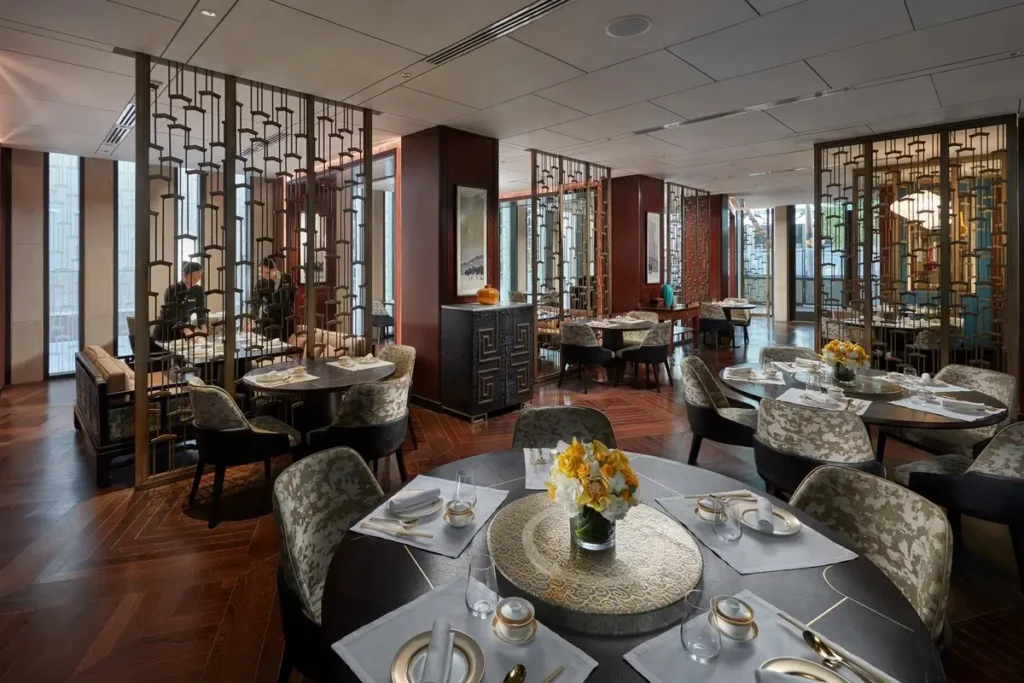
Mandarin Oriental, Doha has a dining program substantial enough to support several different meals without repeating the same experience. Mosaic is the broadest option, with nine open kitchens covering Arabic, Indian, Japanese, and other cuisines inspired by the historic Silk Road. Its format works particularly well for breakfast or a meal when guests want variety.
Liang offers a more focused proposition, specializing in Cantonese and selected regional Chinese dishes. It is the restaurant we’d consider for a deliberate dinner at the hotel. IZU takes a different direction with French Mediterranean cooking and a setting overlooking Barahat Msheireb, connecting the dining experience to the surrounding district.
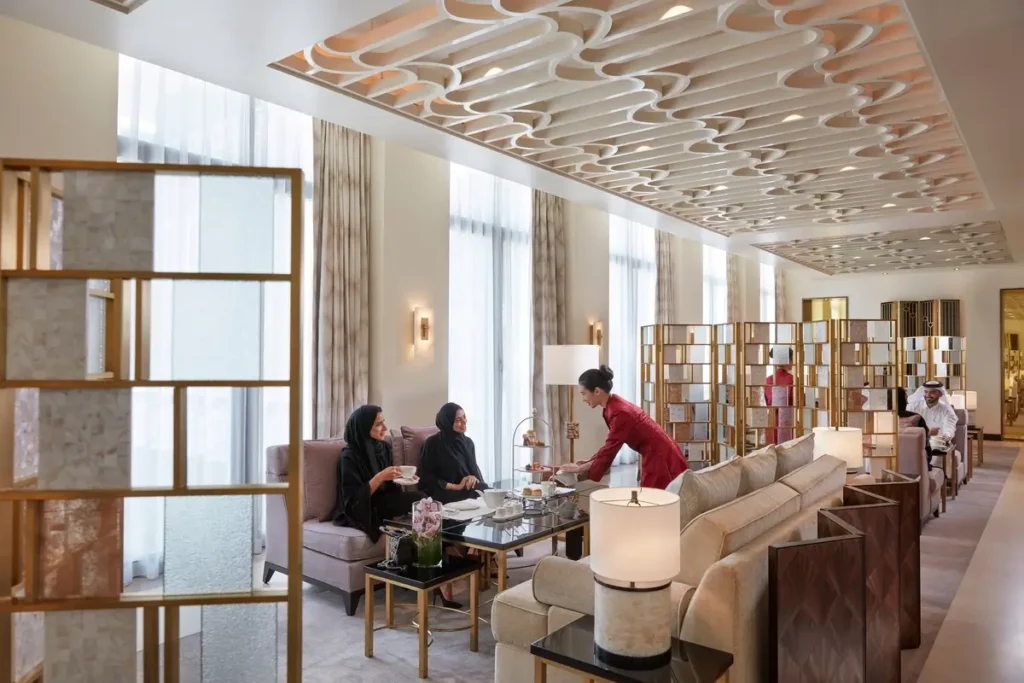
Baraha Lounge provides a less formal option for afternoon tea, coffee, and lighter meals beside the central square. Ambar offers cocktails in a more intimate evening setting, while the Mandarin Cake Shop and Gelato provide shorter stops between activities. These venues make the hotel convenient for meals around a busy itinerary without requiring guests to spend every evening indoors.
Not every advertised venue operates continuously throughout the year. The hotel’s dining directory identifies seasonal closures affecting some restaurants and lounges, so the full collection should not be treated as available on every travel date. For a longer stay, we’d choose one or two priority restaurants and leave room to explore Doha’s wider dining scene.
Who should choose Mandarin Oriental, Doha?
We’d book Mandarin Oriental for travelers who want to explore central Doha on foot while retaining a comfortable hotel base with serious dining and wellness facilities. The Premier Room is our preferred choice when Msheireb views and a private balcony matter. The Junior Suite makes more sense when a separate living room will improve a longer stay, while the rooftop lap pool is a genuine advantage for guests who swim regularly.
It is less compelling for travelers whose appointments are concentrated in West Bay or whose plans revolve around beaches and extensive resort grounds. Mandarin Oriental’s strongest quality is the way it fits into Msheireb: close enough to the city’s historic and cultural attractions to make exploring straightforward, with enough on-site substance to make returning to the hotel worthwhile.
Things to know: As of October 2026, the hotel’s dining directory lists seasonal closures at Aqua, Qaqaw, and IZU’s first floor. IZU’s ground floor and terrace are listed separately as operating. Confirm the current arrangements if any of these venues are important to your stay.