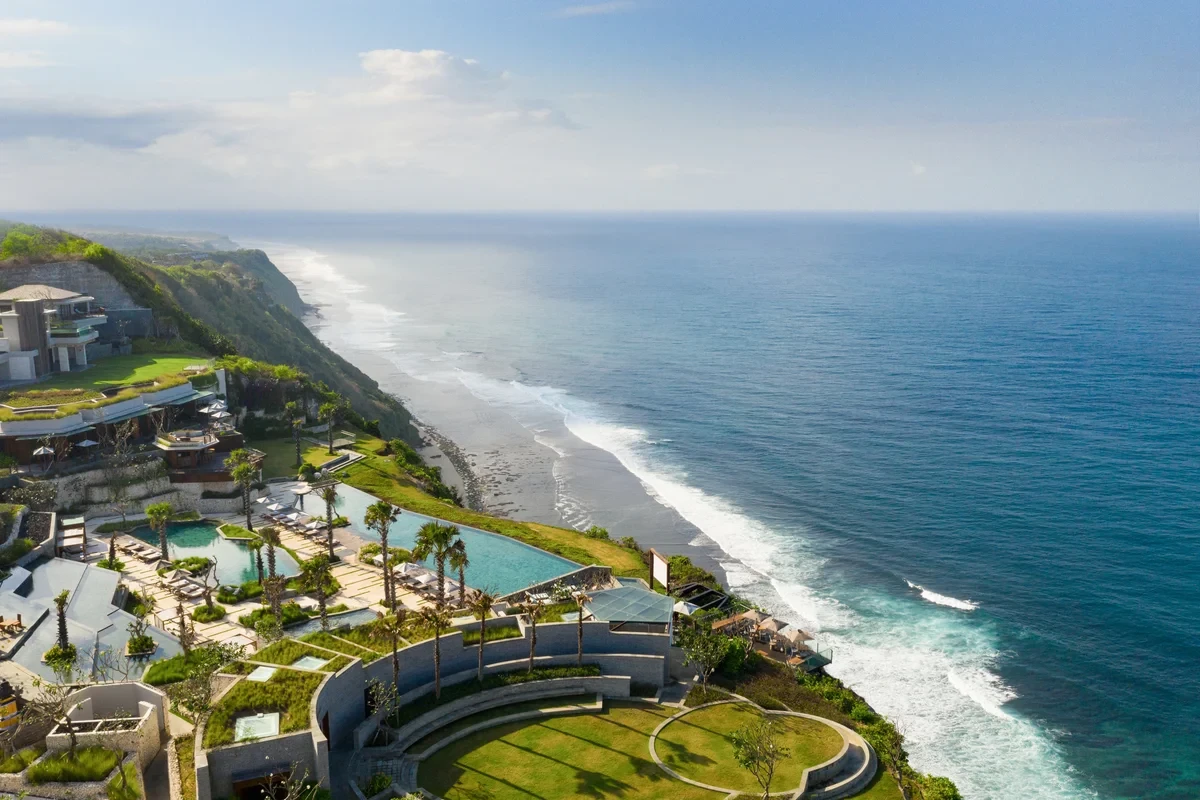
Six Senses Uluwatu Bali is undergoing a transformation. The official website, which now identifies the property as Six Senses Bali, continues to display a temporary-closure notice effective February 1, 2026, without specifying a reopening date. This review assesses the resort before renovation, not an established post-renovation guest experience.
Before closure, the resort was worth considering for its dramatic Indian Ocean views, clifftop pools, private-pool villas, and substantial wellness facilities. Its defining compromise was the location above the ocean rather than beside a beach. We would return it to a future shortlist only after reopening and the updated accommodation, dining, and facilities have been confirmed.
At a glance
- Hotel
- Six Senses Uluwatu Bali
- Address
- Jalan Penaga, Pecatu, Bali 80361, Indonesia
- City
- Pecatu
- Country
- Indonesia
- Phone
- +62 361 2090300
- [email protected]
- Website
- Official website
- Setting
- Clifftop; Indian Ocean views; Uluwatu area of southern Bali
- Style and atmosphere
- Balinese-inspired contemporary architecture; secluded coastal atmosphere
- Best suited to
- Couples; honeymooners; families and groups seeking private villas
- Accommodation
- Sky Suites and Penthouses, Cliff Pool Villas, Presidential Villa and The Retreat.
- Standout facilities
- Published facilities include Six Senses Spa, a clifftop yoga pavilion and private-pool villas. Reconfirm availability after renovation.
A clifftop setting without direct beach access
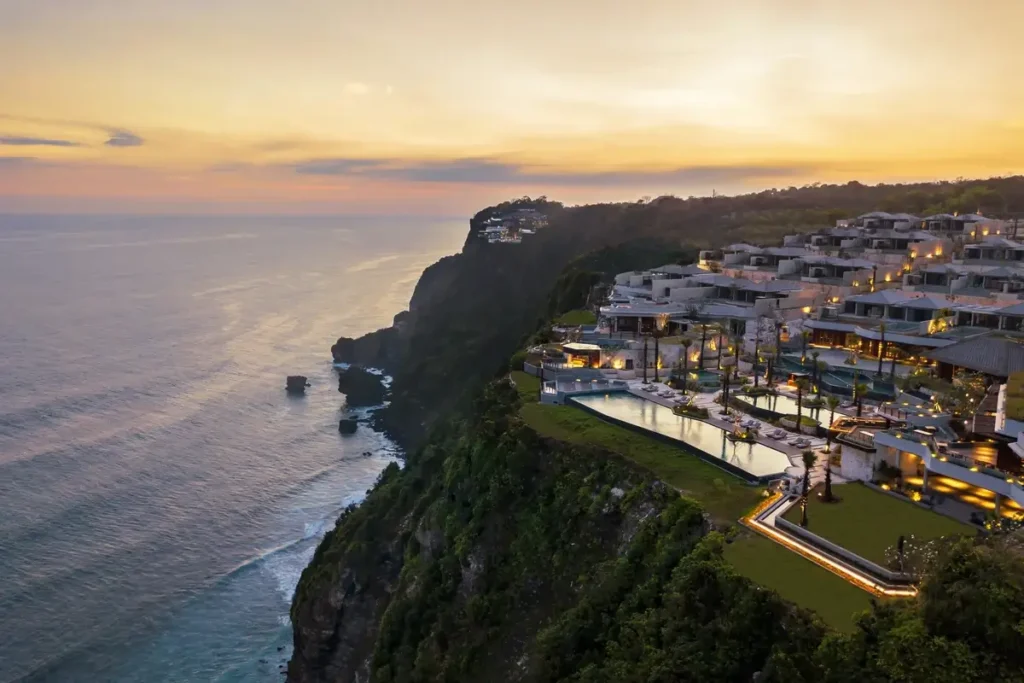
Six Senses Uluwatu occupied a dramatic position on Bali’s Bukit Peninsula, overlooking the Indian Ocean. Its cliff-edge setting was the principal reason to stay. Sweeping sea views shaped the resort’s pools, accommodation, and shared spaces, giving the property a strong visual identity.
The distinction between an ocean view and a beachfront stay was important. The resort had no direct beach access, so guests could not move from the pool to the sand or swim directly from the property. Travelers whose ideal Bali holiday revolved around long beach days needed to plan visits elsewhere rather than rely on the resort’s shoreline.
The layout also reflected the steep terrain. Accommodation and communal spaces extended down the hillside, connected by internal roads and paths. Buggies operated along the steep internal routes before closure. Guests considering the redesigned resort, particularly those with mobility requirements, should confirm current accessibility arrangements, internal transport, and the location of their chosen accommodation.
For a wider view of the island’s accommodation and destinations, see Calanova’s Bali guide.
Location
Sky Suites and pool villas: the pre-renovation differences
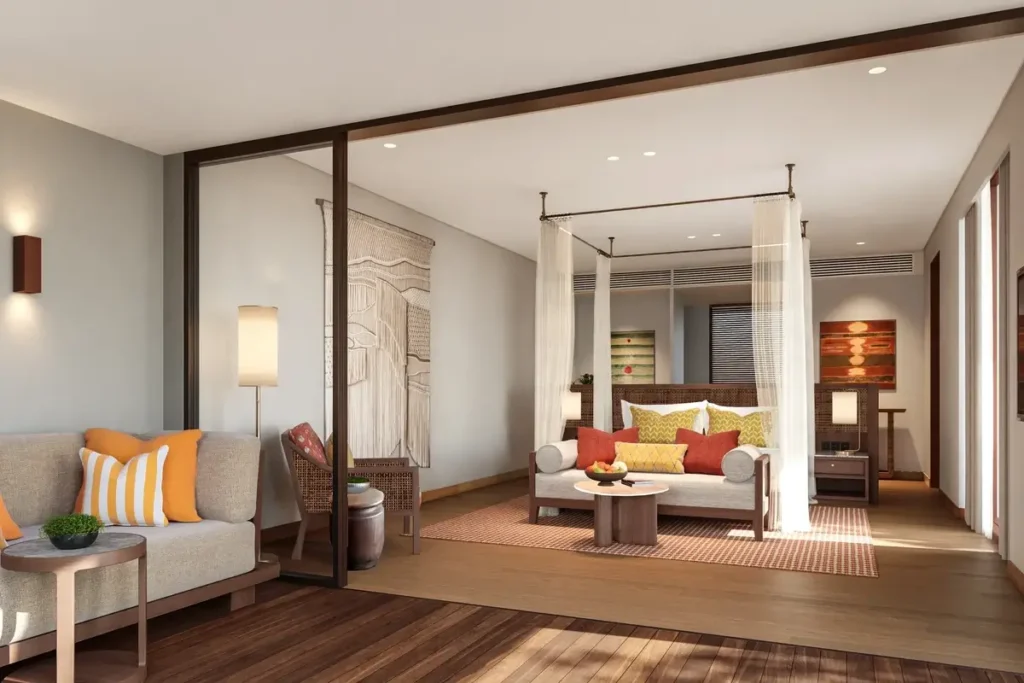
Accommodation at Six Senses Uluwatu offered two main experiences: suites in the principal building and private-pool villas arranged across the hillside. The distinction was not simply one of size. Guests chose between broad ocean views from a suite and the additional outdoor living space of a villa.
Sky Suites occupied the main building and offered generous interiors with ocean outlooks. They suited travelers who valued the scenery and planned to spend much of their day using the resort’s pools, restaurants, and spa rather than remaining in their room.
Private-pool villas provided a more self-contained experience. Decks, plunge pools, and outdoor living areas made it possible to spend substantial time at the accommodation while retaining a connection to the ocean. For couples planning a villa-centered stay, that private outdoor space was a meaningful reason to choose a villa over a suite.
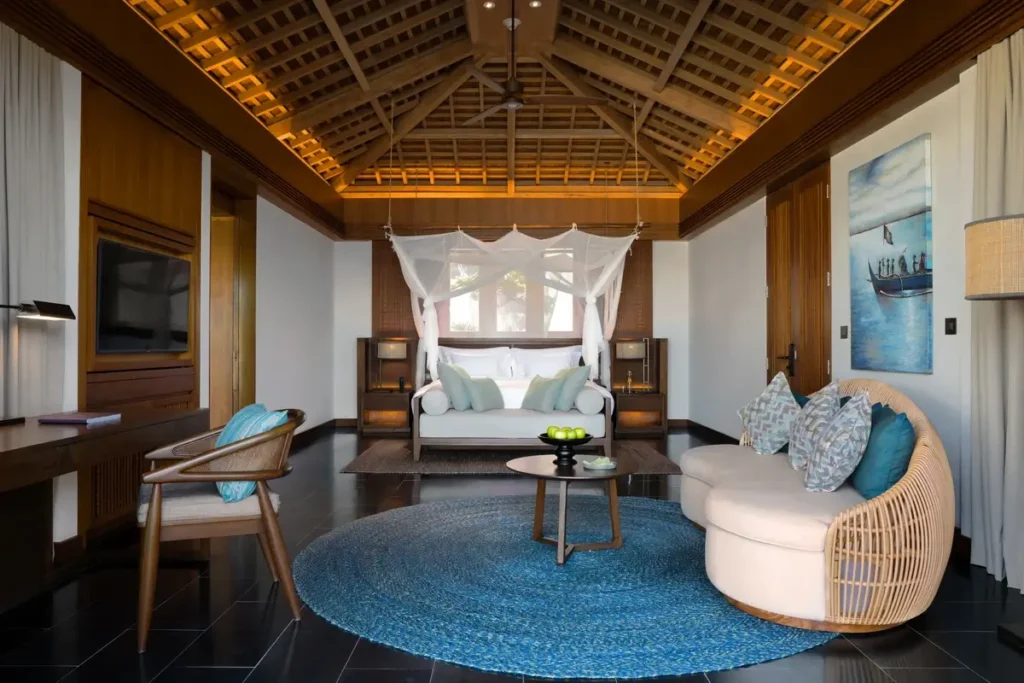
Larger villas and residences offered additional bedrooms and living areas for families and groups. Their advantage was the ability to share a private base while retaining separate sleeping accommodation, rather than simply occupying the largest possible room.
Privacy required attention. Some pre-renovation reviews described villas arranged relatively close together, with neighboring accommodation affecting the sense of seclusion. A private pool did not automatically guarantee an isolated setting. Orientation, sightlines, and the position of adjacent villas could influence the experience.
The official website now presents reimagined accommodation, but descriptions and photographs cannot replace an assessment of the completed resort. Travelers considering a future stay should verify the available categories, layouts, pool provision, and outlooks rather than assume the pre-renovation distinctions still apply unchanged.
Dining before the renovation
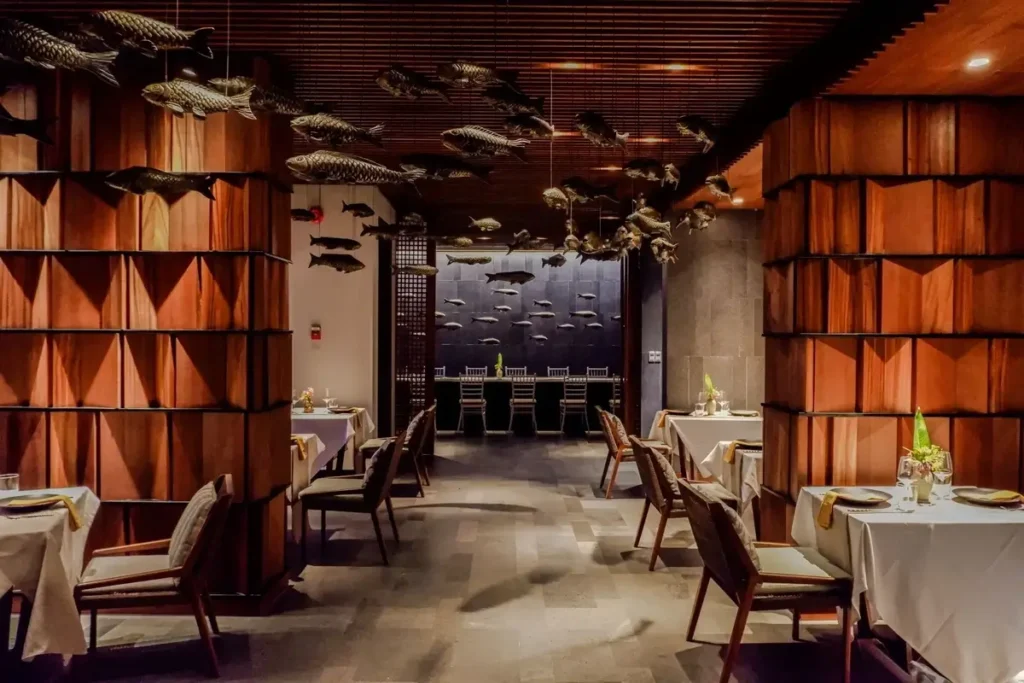
Dining supported the resort-centered nature of the original Six Senses Uluwatu. With substantial time likely to be spent around the pools and spa, having several places to eat within the property was an important part of the experience.
Rocka served breakfast and Indonesian- and Southeast Asian-influenced dishes, with a farm-to-table approach reflected in its menu. Watu Steakhouse offered a more formal dinner setting, with steaks and seafood. Crudo also appeared in earlier accounts, bringing a different style of cooking to the resort’s dining program.
Breakfast was a particular strength in several independent accounts, with a varied selection and dishes prepared to order. Dining impressions were less consistent overall. Some guests praised individual meals and service, while others found the available variety less convincing. We would not have chosen the resort for its restaurants alone, although they contributed meaningfully to a stay centered on the property.
These descriptions belong to the pre-renovation period. The official website now presents an updated dining offering, but that does not establish which venues are operating or how the finished experience compares with earlier reviews. Current menus, restaurant names, opening arrangements, and dietary provisions should be confirmed directly before planning a stay.
Clifftop pools and wellness
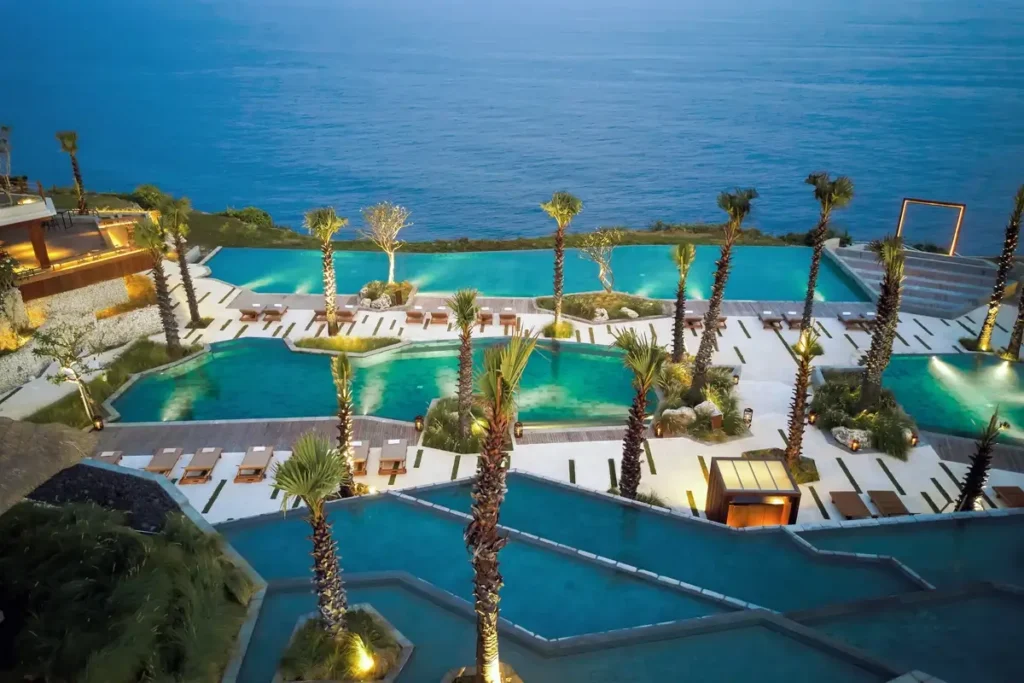
The shared pools were among Six Senses Uluwatu’s most distinctive features. Arranged in tiers along the cliff, they framed wide views of the Indian Ocean and offered a place to spend substantial time outdoors without leaving the property. For travelers who valued scenery and poolside relaxation over direct beach access, this was one of the resort’s strongest arguments.
The wellness offering was similarly substantial. Before renovation, the spa included eight treatment rooms, a couples’ suite with a private wet area, sauna and steam facilities, a whirlpool, a yoga and meditation pavilion, and an indoor fitness center. Wellness screening and programs drawing on Balinese practices added options beyond conventional massages and beauty treatments.
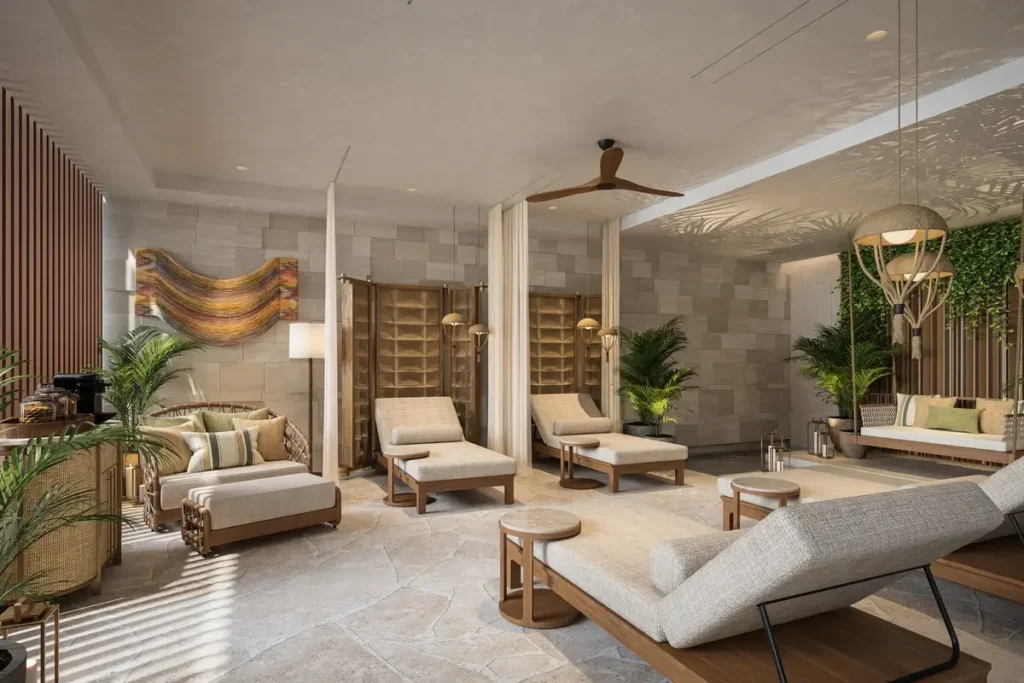
These facilities made the resort relevant to travelers planning a stay around relaxation and wellness rather than a busy sightseeing itinerary. A morning by the pool, a spa treatment, and time in the yoga pavilion could fill much of a day without requiring travel beyond the resort.
However, the former facilities should not be treated as a guarantee of the post-renovation offering. Before considering a future reservation, confirm the completed pool layout, spa facilities, treatment menu, wellness programs, and accessibility arrangements. The quality and operation of the transformed resort will require fresh evidence.
Contemporary design, with privacy and service considerations
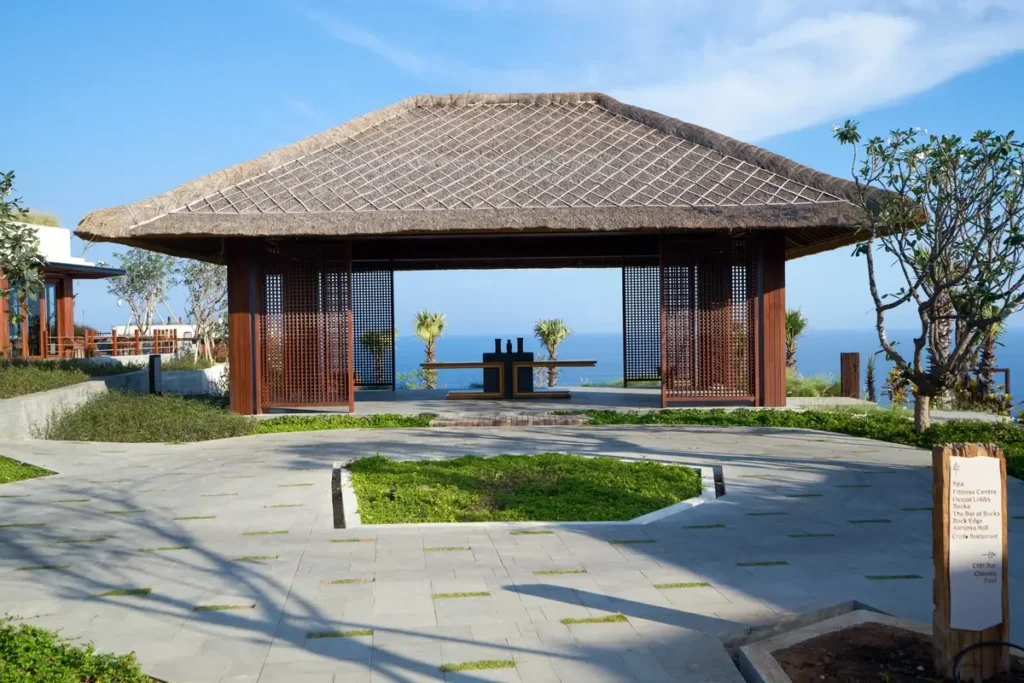
Six Senses Uluwatu’s pre-renovation architecture emphasized contemporary forms, clean lines, natural textures, and ocean-facing spaces. The scale of the development and the arrangement of villas across the hillside gave it a different character from a smaller Balinese property organized around traditional courtyards and gardens.
That difference was a matter of preference rather than an inherent weakness. Travelers prioritizing modern design, private pools, and dramatic ocean views had strong reasons to consider it. Those seeking an intimate, distinctly traditional Balinese atmosphere might have preferred a different style of accommodation.
The original villa arrangement also created some privacy considerations. Individual accounts described neighboring accommodation as relatively close, although that did not establish the same experience for every room or villa. The useful booking lesson was to consider villa orientation and sightlines alongside the promise of a private pool.
Pre-closure service accounts were generally favorable, with attentive hospitality contributing to the resort experience. Those historical impressions do not establish how the transformed property will operate. A new assessment will be needed to judge service consistency, coordination, and the overall guest experience after reopening.
Things to know: The official Six Senses Bali website continues to display a temporary-closure notice effective February 1, 2026. The notice does not specify a reopening date. Confirm operating status, available accommodation, dining, pool facilities, and spa services directly with the property before making travel arrangements.
Who should consider Six Senses Uluwatu?
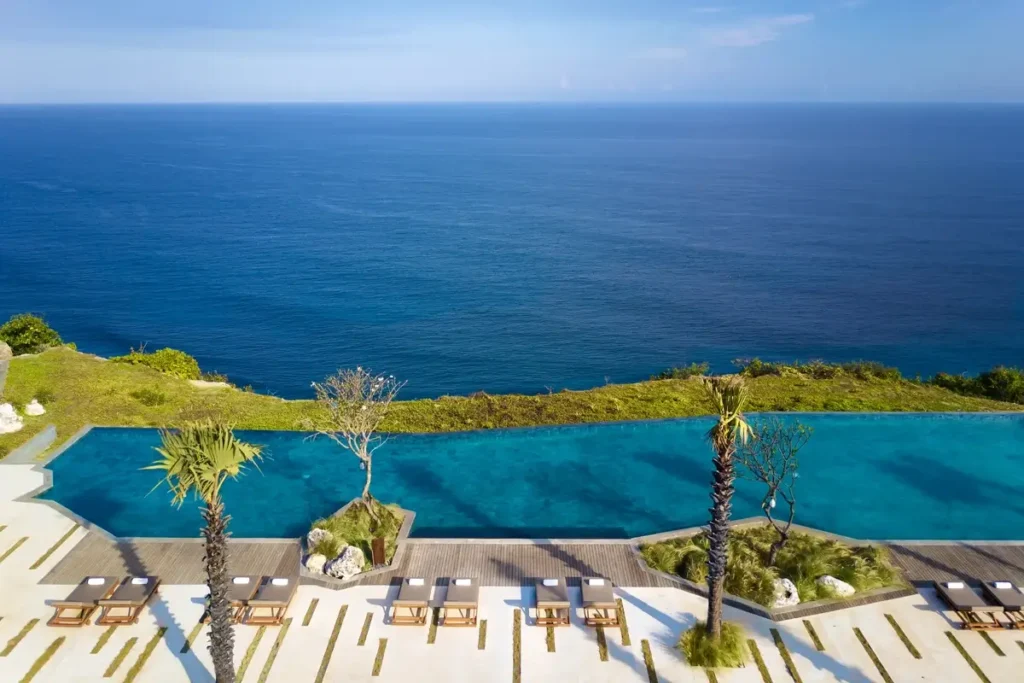
Before renovation, Six Senses Uluwatu Bali made the strongest case for travelers who wanted expansive Indian Ocean views, private-pool accommodation, clifftop swimming pools, and a wellness-focused resort stay. Its appeal was the ability to spend substantial time within the property while keeping the coastline central to the experience.
It was less suited to travelers who prioritized direct beach access, flat and effortless circulation, or a particularly intimate Balinese atmosphere. The hillside setting delivered the views but also shaped how guests moved around the resort, while the contemporary architecture appealed to a different preference from traditional village-style accommodation.
The fundamental geographical distinction remains useful: this is a clifftop location, not a beachfront one. Everything more dependent on operations, from villa layouts and dining to service and wellness, needs renewed evaluation following the transformation.
We would reconsider Six Senses Bali after its reopening is confirmed and current independent assessments establish what the redesigned property delivers. Until then, its pre-renovation strengths provide context for a future booking decision, not a recommendation to reserve immediately.
Credits for media displayed in this article
- https://www.sixsenses.com/en/hotels-resorts/asia-the-pacific/indonesia/bali/
- https://www.sixsenses.com/en/hotels-resorts/asia-the-pacific/indonesia/bali/gallery/
- https://www.sixsenses.com/en/hotels-resorts/asia-the-pacific/indonesia/bali/accommodation/
- https://www.sixsenses.com/en/hotels-resorts/asia-the-pacific/indonesia/bali/dining/
- https://www.sixsenses.com/en/hotels-resorts/asia-the-pacific/indonesia/bali/wellness-spa/