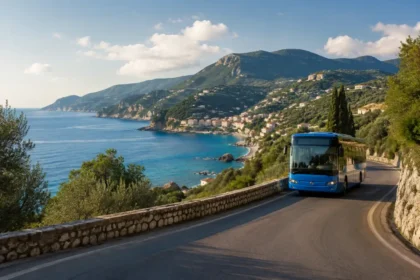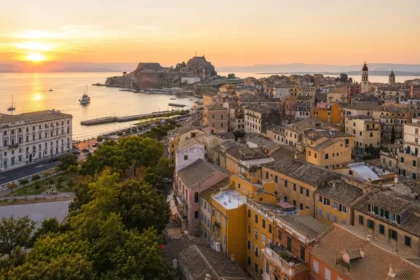
Corfu rewards travelers who look beyond a resort-and-beach checklist. Its strongest experiences span the Venetian streets of Corfu Town, west-coast coves, high Byzantine defenses, and the Ionian Sea. The island’s long Venetian rule remains visible in its architecture, while its green landscape and clear swimming water give it a distinct Ionian character.
The approach is simple: make time for Corfu Town, choose one or two west-coast experiences that suit your tolerance for heat and walking, and be realistic about how much of a day a boat excursion takes. Famous coastal stops can be crowded in high season, so the most photographed option is not always the best one. For broader planning, see the Corfu guide.
These recommendations weigh historical substance, scenery, physical effort, crowd pressure, and whether an experience justifies the transport and time required. Read more about how we evaluate destinations and experiences.
Wander Corfu Old Town for Venetian streets, fortresses, and layered history
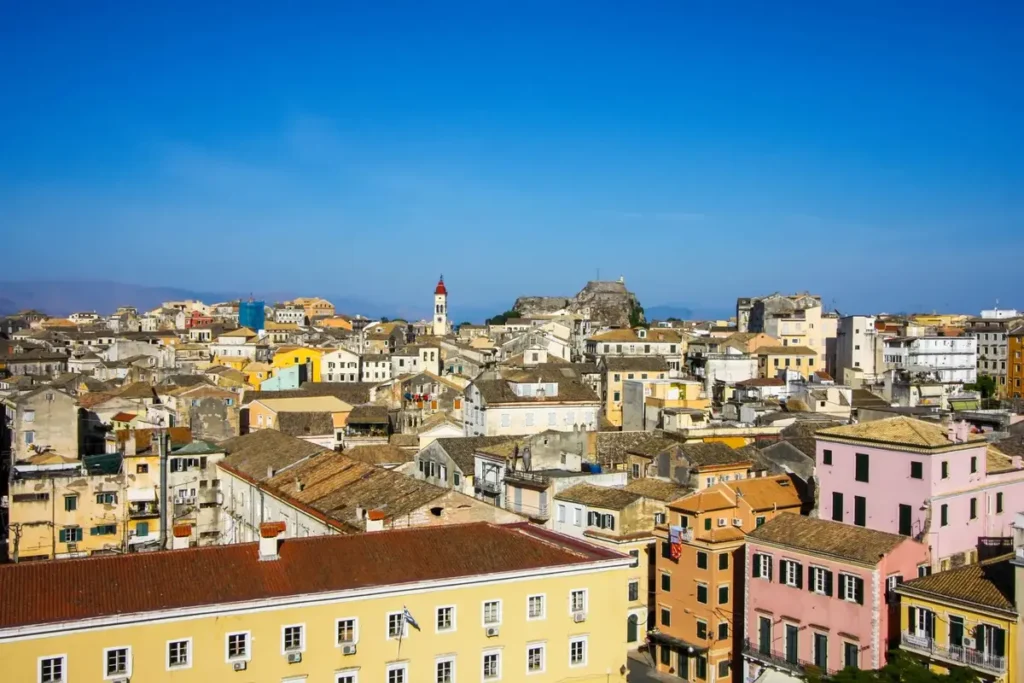
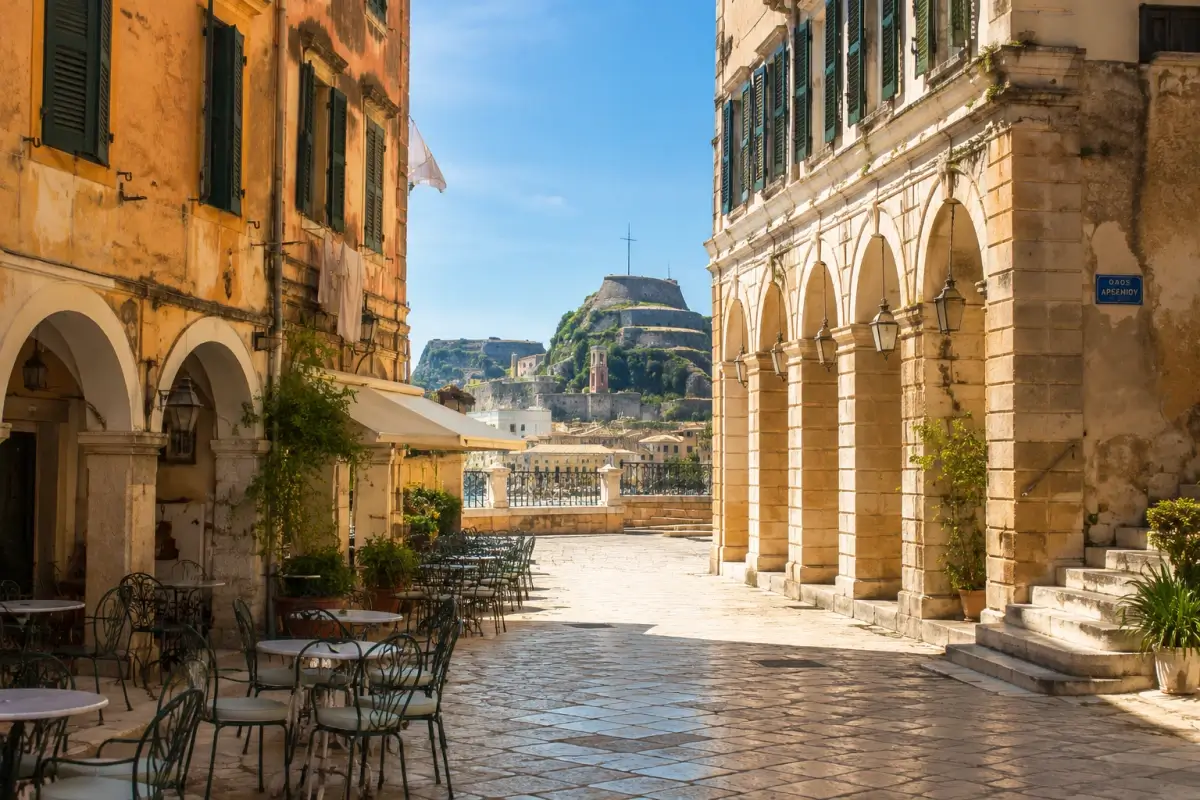
Corfu Old Town is the island’s essential urban experience. It works best without treating every landmark as a separate appointment. Allow at least half a day for the narrow lanes of Campiello, where stone staircases, shaded squares, weathered facades, balconies, and public passageways make up the town’s most absorbing quarter.
Combine the streets with the Old Fortress, whose elevated position looks back across town and out to the Ionian Sea. Saint George’s Church inside the complex is worth seeking out, but the climb is chiefly for the view and the sense of Corfu’s defensive geography. Nearby, the Liston’s arcades and Spianada Square provide a change of scale after Campiello’s compact lanes. Spianada is considered the largest square in Greece and includes a cricket field, a visible reminder of the island’s British period.
The Church of Saint Spyridon, marked by its tall bell tower, merits a stop for travelers interested in Corfu’s Orthodox heritage. The Museum of Asian Art is more specific, not essential, though its setting in the Palace of St. Michael and St. George makes it an easy addition near Spianada. Its collection now comprises approximately 15,000 works of Asian art, built around Gregorios Manos’s original collection of roughly 9,500 objects.
A guided walking or food-focused tour suits travelers who want historical context beyond the atmosphere of the streets. Otherwise, self-guided wandering is enough. Expect cobbles, stairs, and heat, and do not expect Corfu Town to feel quiet when cruise ships are in port. Start early, then build a route around the fortress, Liston, Spianada, churches, and one museum according to your interests.
Swim and take a short boat outing around Paleokastritsa’s coves
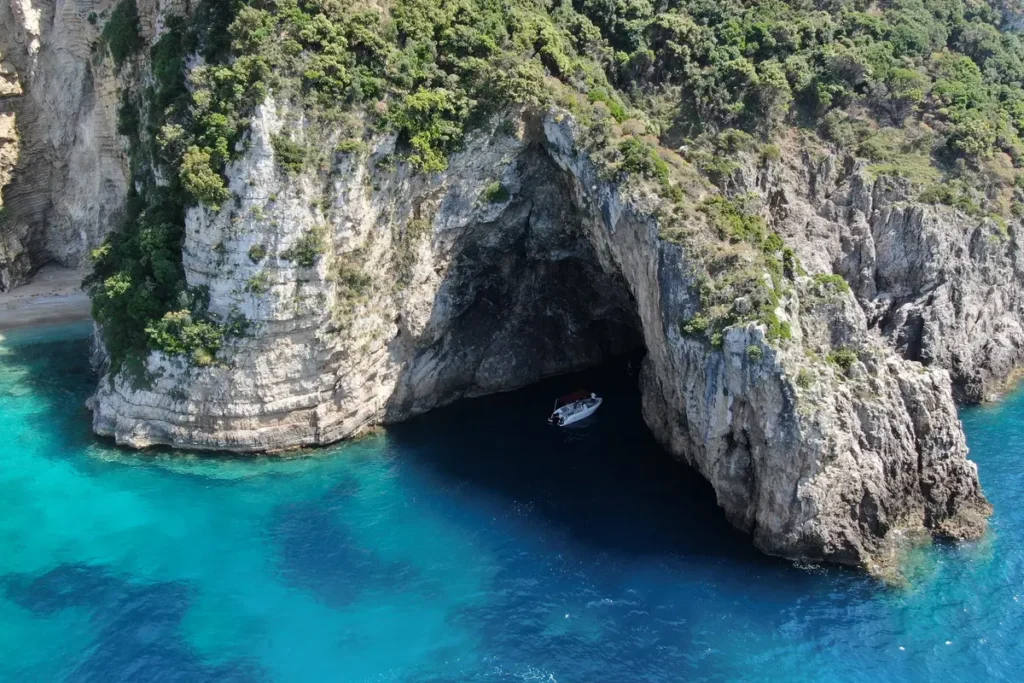
Paleokastritsa belongs on a first visit for its dramatic coastline and swimming, not as a place to spend the day on every promoted excursion. The shoreline has clear water and a concentration of small coves, but it is also among Corfu’s heavily visited coastal areas. Go expecting company.
A short local boat outing to caves and beaches beyond the main shore makes better use of the setting than committing automatically to a full-day cruise. Small boats leave from the Paleokastritsa area for trips along the coastline, including coves that are difficult or impossible to reach by road. The format gets beyond the main beach while preserving most of the day for Corfu itself.
Keep the shore visit and boat trip distinct. Swimming from the beach is one experience; a boat ride into caves and less accessible coves is another, dependent on the operator and sea conditions. Confirm departure times, access arrangements, weather, and the exact route before traveling. For alternatives elsewhere on the island, see the best beaches in Corfu.
Hike down to Porto Timoni for Corfu’s most rewarding beach payoff
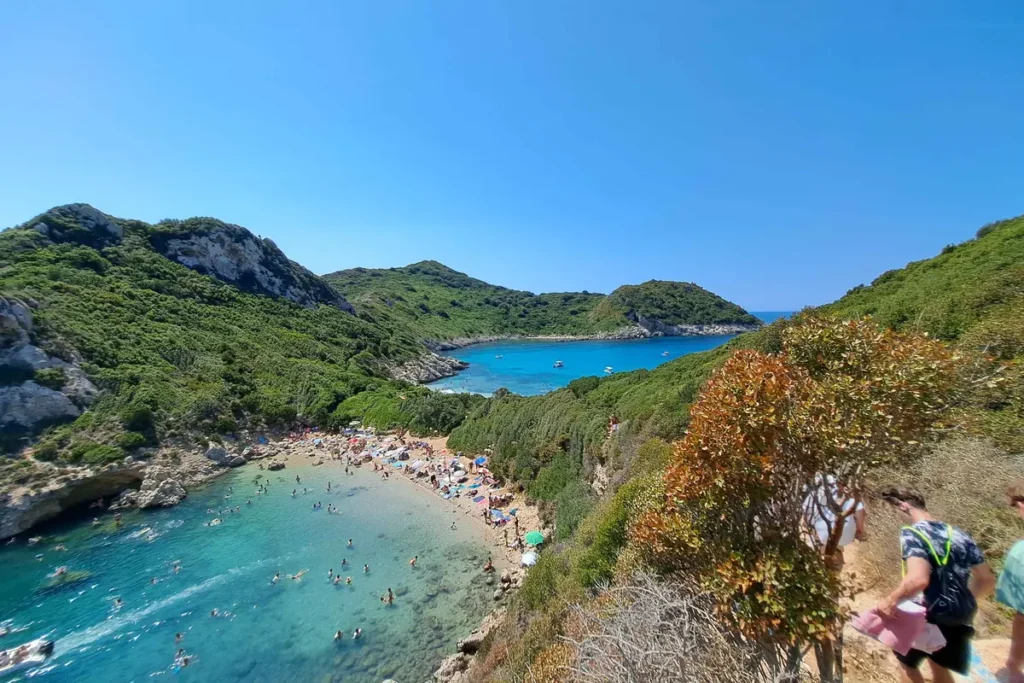
Porto Timoni is for fit travelers willing to earn the swim. Reaching the coves requires a steep, rocky hike, so this is not an effortless coastal stop. That is precisely why it deserves priority over more developed alternatives. The reward is the pair of coves below, with swimming on either side of the narrow headland.
Flip-flops are the wrong footwear for this route. Wear sturdy shoes or trainers, carry water and snacks, and bring only what you can manage on the return climb. The descent is one thing; the heat and uphill walk back are the real test, especially later in the day.
Arrive early, particularly in high season. Porto Timoni does not suit families with strollers, travelers with limited mobility, or anyone seeking a serviced beach day. It is the stronger pick for those happy to trade convenience for a more memorable stretch of coast.
Take a Paxos and Antipaxos cruise only if a full day on the water suits you
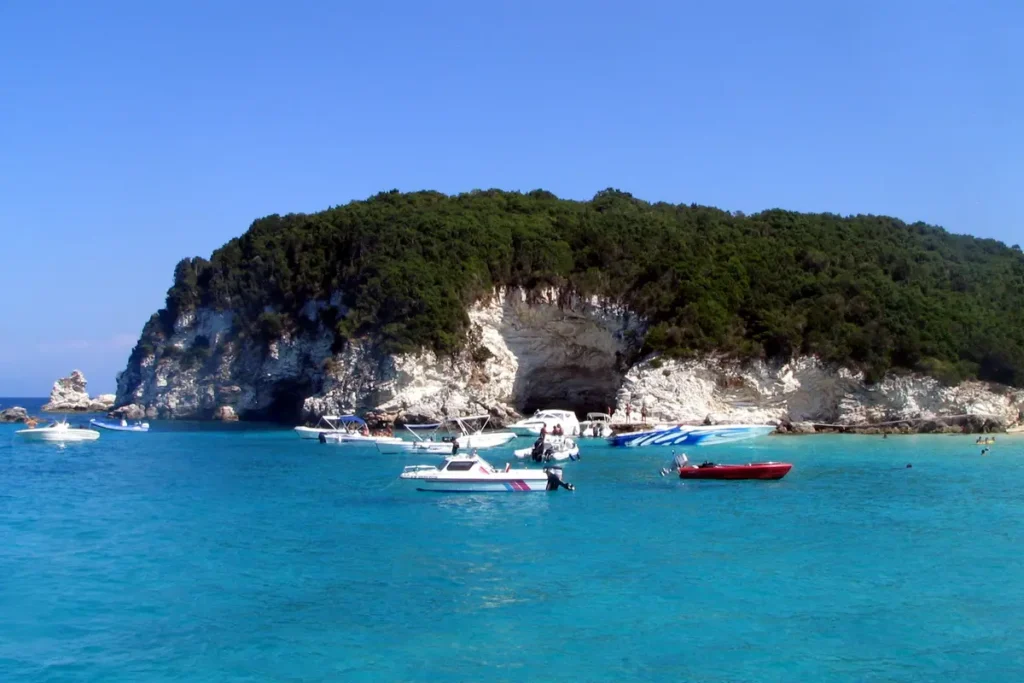
Paxos, Antipaxos, and Blue Caves cruises are among Corfu’s familiar sea excursions for a straightforward reason: a single outing combines island scenery, sea caves, and swimming stops that would otherwise require separate planning. Treat this as a substantial day on the water, not a spare-afternoon addition.
Take one only when being at sea is part of the goal. Travelers with limited time in Corfu should not give up Corfu Town, a west-coast cove, and an inland viewpoint simply to tick off two more islands. Standard group trips can cover substantial ground, but total duration matters more than the sales language.
When budget and availability allow, a smaller or semi-private boat is the more appealing version. It can offer a different pace from a large group cruise, but stops, swim time, departure port, and onboard inclusions still vary. Check the route, transfer arrangements, food and drinks, swimming stops, weather policy, and total duration before booking.
For many travelers, the shorter Paleokastritsa boat outing is more proportionate. Save Paxos and Antipaxos for a day when being at sea is the point, not a detour from Corfu.
Climb Angelokastro for Byzantine ruins and west-coast views
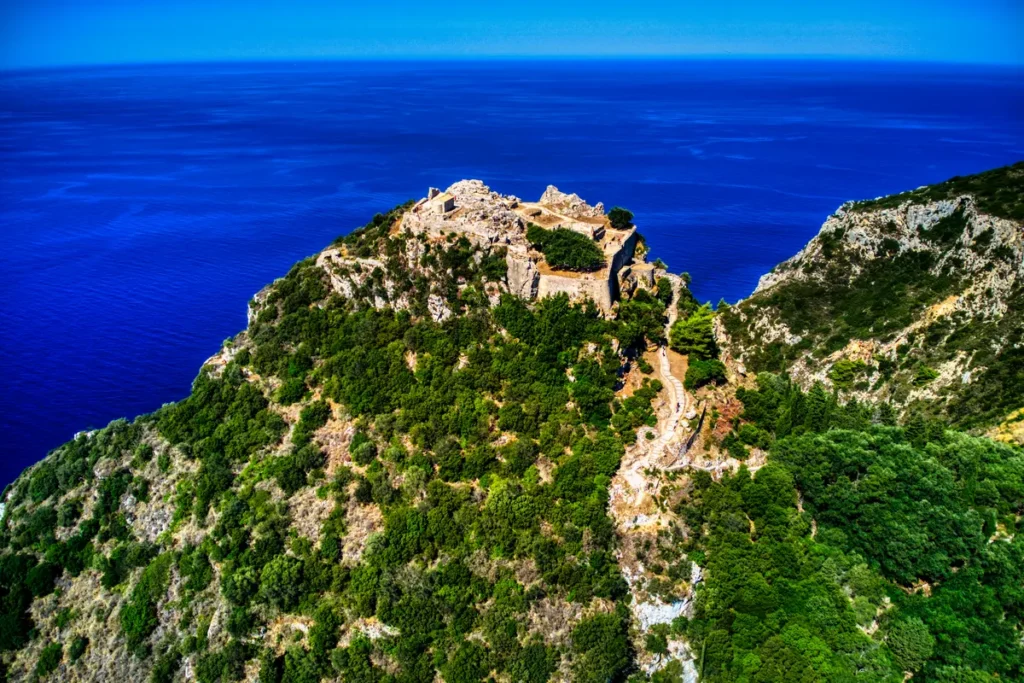
Angelokastro suits travelers seeking more than Corfu Town’s urban defenses. The Byzantine fortress stands high above the northwestern coast and occupies one of the island’s most strategic positions. Its location is a large part of the appeal today, with broad views over the surrounding coast and cliffs.
Do not expect an intact castle complex. The surviving ruins still convey the defensive logic of the site, but the terrain matters as much as the architecture. The final approach is steep, rocky, and uneven, so trainers are appropriate and the exposed setting deserves respect in hot weather.
Pair Angelokastro with Paleokastritsa or other west-coast stops, but do not treat it as an effortless diversion between swims. Go earlier in the day, carry water, and verify current entry conditions before setting out. For history-minded visitors who can manage the terrain, it has more substance than a quick viewpoint alone.
Stop at Kaiser’s Throne for a fast panoramic read of the island
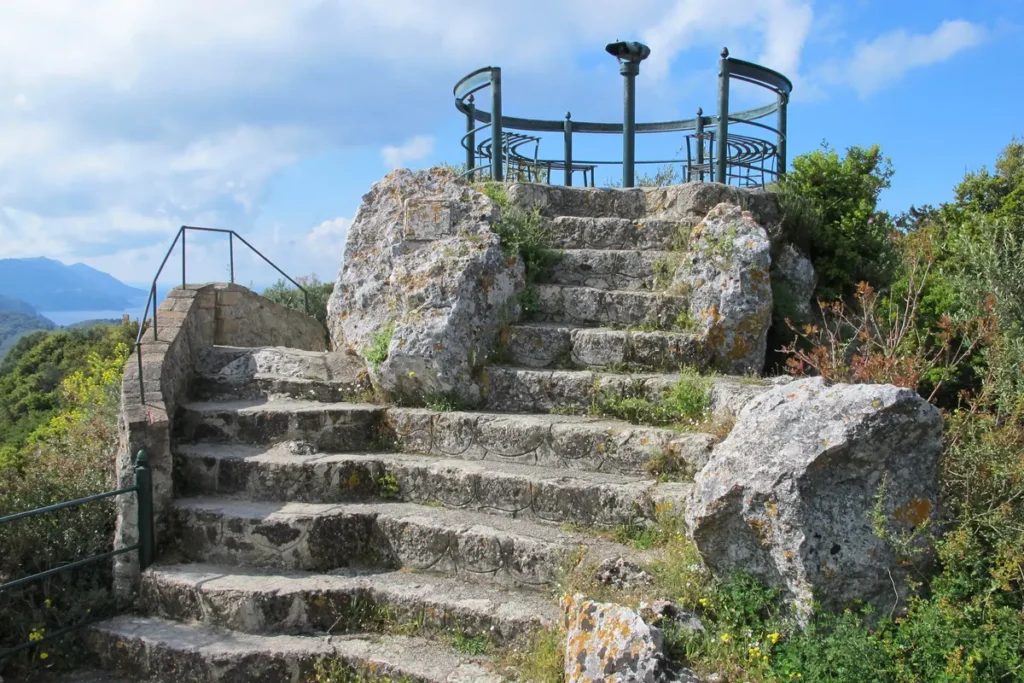
Kaiser’s Throne is the low-effort viewpoint for days when another rocky climb holds little appeal. Associated with Kaiser Wilhelm II, the lookout provides a broad view across Corfu’s interior and coastline. It is useful for visual orientation, not a destination requiring half a day.
Drive-up access is its advantage. A parking area close to the viewpoint makes it practical to add to a route through west-central Corfu. If you combine it with Achilleion, note that the estate’s outdoor areas and Imperial Gardens are currently open to visitors while restoration of the palace building continues.
Choose a clear day. Haze can limit the long views that justify the stop, and poor conditions are no reason to reorganize a day around it. In the right weather, Kaiser’s Throne is an efficient counterpoint to Angelokastro: less physical effort, less historical depth, and a similarly broad sense of the island’s geography.
Dive or snorkel in Corfu’s clear Ionian water
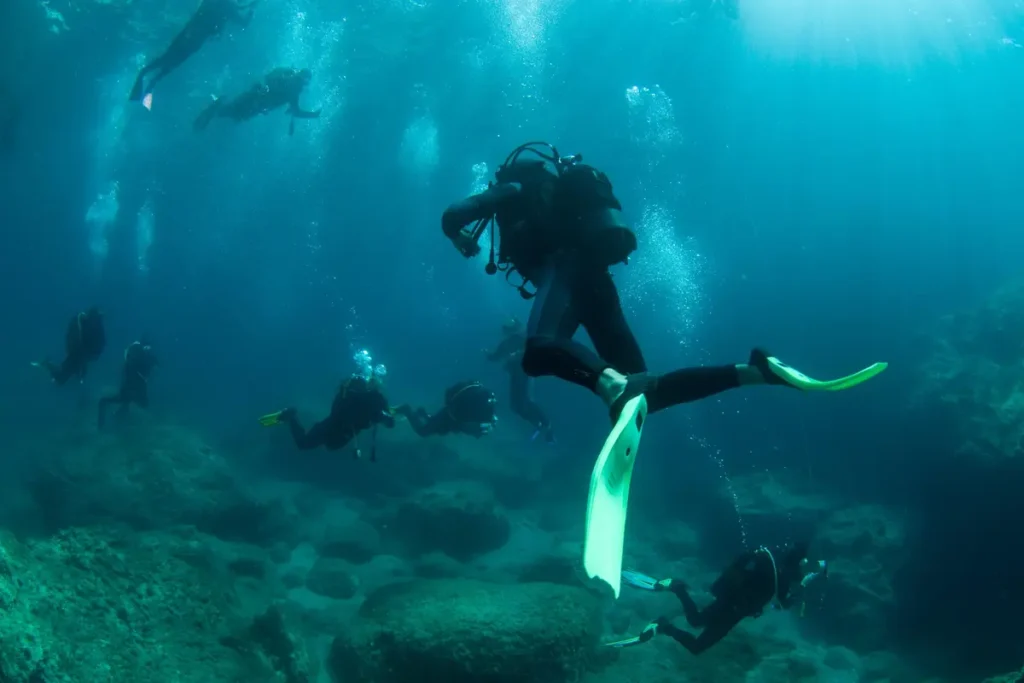
For a more active water experience, beginner scuba diving around Paleokastritsa is a structured alternative to a standard swim. The area is an established diving destination, with underwater caves and reefs adding another dimension to the coastline. An introductory dive also involves briefing and preparation before time in the water, so allow more time than the dive itself suggests.
It best suits first-time divers seeking guided instruction rather than independent exploration. Confirm the operator’s teaching language, medical requirements, equipment provision, weather policy, and total time commitment directly before booking. Details that apply to one dive center or introductory format should not be assumed elsewhere on the island.
Snorkeling is the lighter option for travelers who want time in the water without committing to training. Some boat excursions include snorkeling stops, though actual stop lengths and equipment arrangements vary by operator. Bring a mask if snorkeling matters to the day, and choose an outing for its overall route instead of assuming every cave or beach stop will suit the activity equally.
What to skip
Skip Canal d’Amour as a priority if time is short. Its limestone formations make it visually distinctive, but the limited beach space and summer crowds weaken the case for building a day around it. Porto Timoni is the better choice for travelers able to manage the hike. Otherwise, choose a less pressured beach elsewhere along the coast.
Practical notes: let distance, heat, and sea conditions shape the choices
Corfu Town’s principal sights are close enough to combine on foot. The west coast is different: Paleokastritsa, Angelokastro, Porto Timoni, and Kaiser’s Throne require deliberate transport planning, particularly when a beach hike or boat departure is involved. For routes and transport decisions, see getting around Corfu.
Things to know: Start exposed walks and popular beaches early, especially in summer. Porto Timoni and Angelokastro require water and suitable footwear, while boat plans depend on sea conditions and seasonal operations. Verify opening status, entry arrangements, boat schedules, and weather before committing a day to any outdoor experience.
Do not try to combine everything in one sweep. Corfu Town deserves its own unhurried half-day or longer. Paleokastritsa and Angelokastro can work together, while Kaiser’s Throne fits naturally into a separate west-central drive. A Paxos cruise should stand alone. Travelers still choosing a base can see our guide to where to stay in Corfu rather than selecting accommodation solely around one attraction.
Credits for media displayed in this article
- https://commons.wikimedia.org/wiki/File:Kaiser%27s_Throne_03.jpg
- https://www.checkyeti.com/en/diving/greece/paleokastritsa/scuba-diving-padi-snorkeling
- https://commons.wikimedia.org/wiki/File:AngelokastroCorfuJuly152022_01.jpg
- https://commons.wikimedia.org/wiki/File:Antipaxos_boats_bgiu.jpg
- https://www.getyourguide.com/palaiokastritsa-l146620/paleokastritsa-paradise-yali-beach-and-blue-caves-boat-tour-t637412/
- https://commons.wikimedia.org/wiki/File:View_of_Porto_Timoni_Beach.jpg
- https://www.greeka.com/ionian/corfu/villages/town/