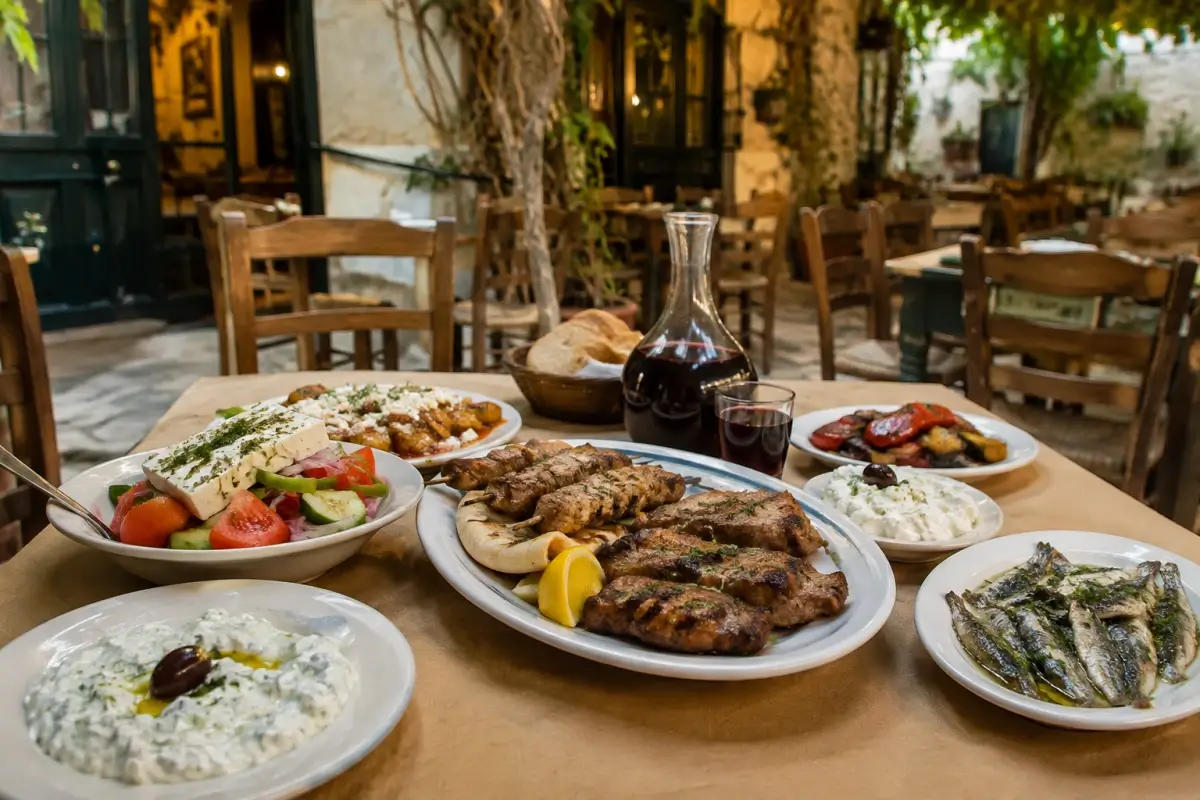
Traditional Greek cooking is the focus, from market pans and grilled meat to cured meats, seafood, and dishes closer to home cooking than a generic tourist menu.
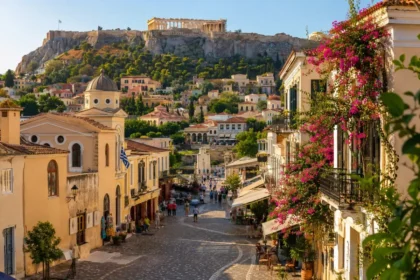
Athens has no shortage of places to eat near the Acropolis, Plaka, and the city’s main sight lines. Those addresses can be convenient after a day of museums and ruins, but central pedestrian streets can be crowded and commercial, with less emphasis on the classic dishes many travelers seek. Better meals often come from making a more specific choice: a market taverna for pot-cooked food, a neighborhood table for grilled meat, or a seafood specialist instead of an all-purpose Greek menu.
This shortlist is for travelers seeking traditional Greek restaurants in Athens, not tasting menus, rooftop views, or a citywide ranking across every cuisine. Central stops that justify their location sit alongside Pagrati and Thissio detours that move dinner beyond the most tourist-facing districts. Timing matters, especially at market tavernas, where the food and operating rhythm may suit lunch or late afternoon better than a polished late dinner.
We weigh each restaurant’s distinct role in the city, the specificity of its cooking, practical details, and how clearly it answers a particular dining occasion. Read more about how Calanova evaluates recommendations, then pair this list with our wider Athens guide.
Karamanlidika tou Fani
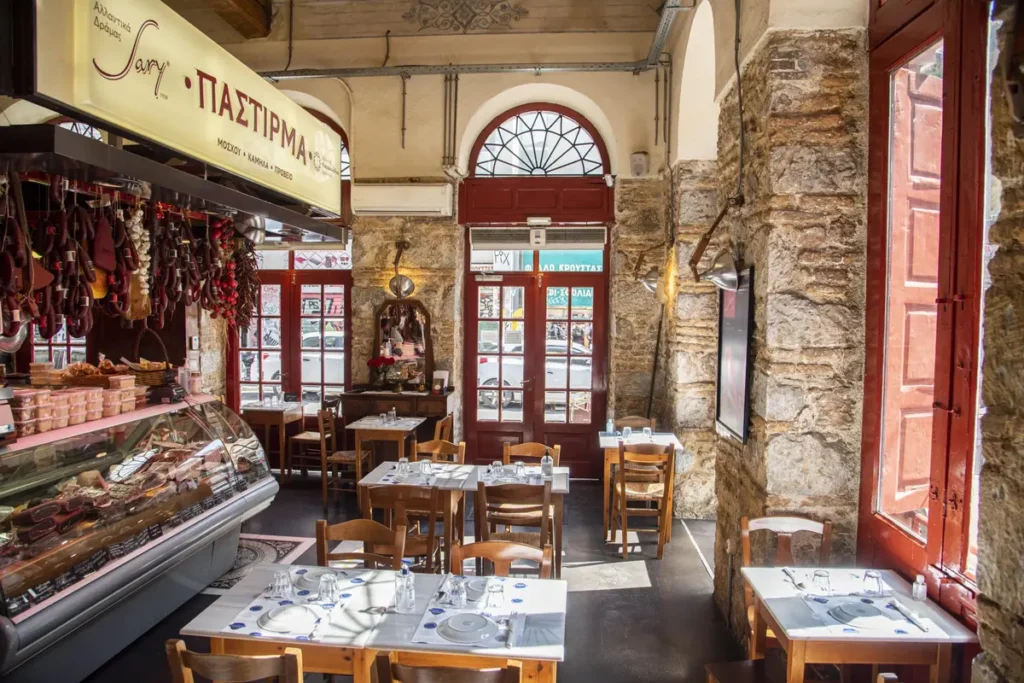
Karamanlidika tou Fani is the strongest central stop for a meal built around Greek meze, cheeses, and cured meats. On Evripidou Street, it works naturally as a food-focused lunch stop in central Athens.
Herbs, spices, and cured meats line the interior, while the cooking sits between traditional recipes and a more contemporary restaurant format. The appeal is not one main course, but the opportunity to build a table from cheeses, cold cuts, and small plates.
Karamanlidika has more than one Athens venue. References to its Food Artistry location are not references to the Evripidou restaurant. Choose the branch at Evripidou 52 for the deli-meets-meze experience. It is more food-focused than atmospheric in the old-taverna sense, which is exactly why it belongs here.
What to order: Build the meal around Greek cheeses, cured meats, and meze rather than treating one dish as the reason to come.
Epirus
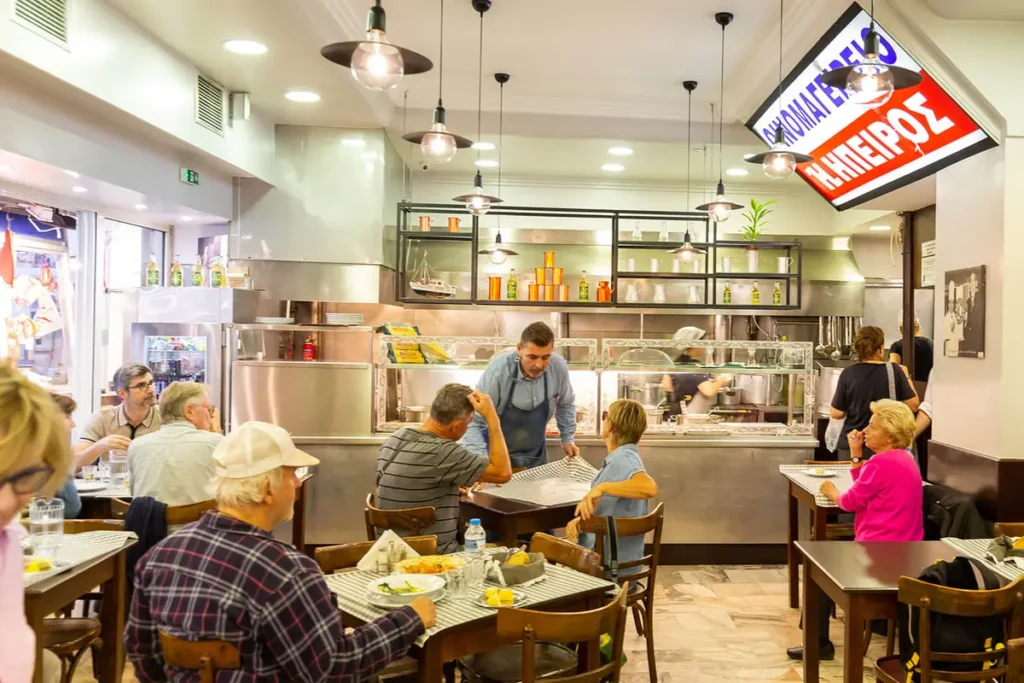
For a market taverna, go to Epirus. It suits an adventurous lunch or late-afternoon stop more than a formal dinner. Inside the Central Market on Athinas Street, it follows the market’s old working rhythm, not the polished service or composed plates associated with contemporary Athens restaurants.
Pans of prepared food sit behind a serving counter, and diners choose from what has been cooked that day. The focus is classic home-cooked Greek food from pots and ovens rather than gyros or souvlaki. Here, Athens reads as a city of everyday cooking, not a sequence of grilled skewers.
The limitations are part of the decision. Epirus closes early, so plan around the market’s timetable instead of saving it for late evening. Daily specials may include tripe or snails, making it a stronger fit for diners willing to follow the kitchen rather than arrive with a fixed order. Verify same-day hours before setting out.
What to order: Choose from the day’s pans and ask about the pot-cooked dishes. Tripe can appear among the daily specials, but it is not a permanent menu promise.
To Steki tou Elias
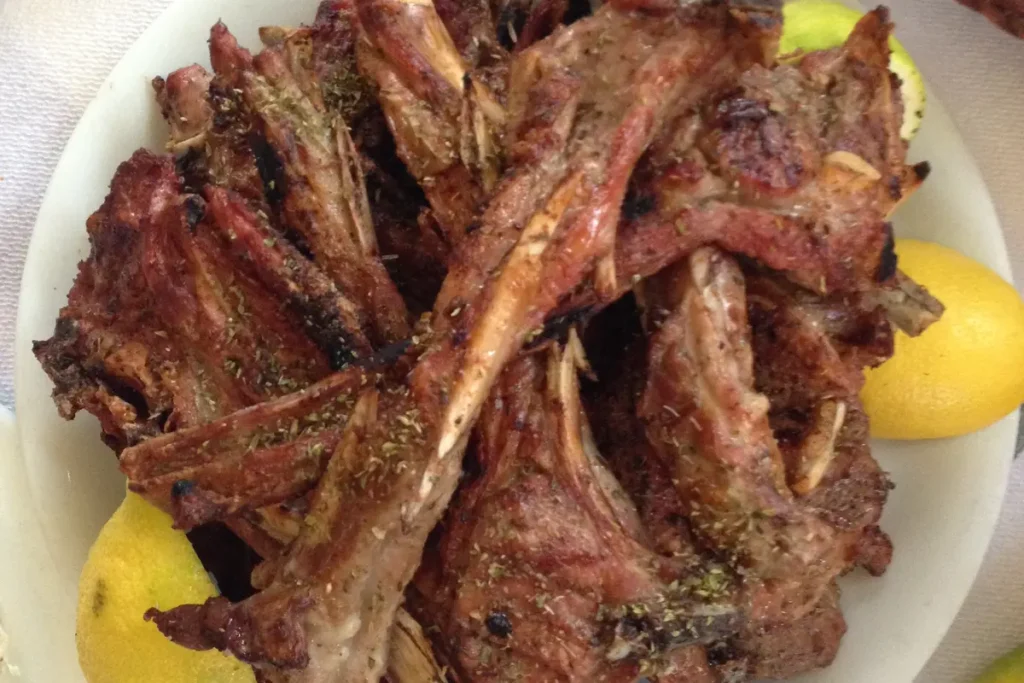
To Steki tou Elias is the straightforward taverna pick for grilled meats, fried vegetables, and an informal Greek meal near the center. The argument is uncomplicated: lamb chops, sausage, wine, and a table that favors an unhurried afternoon over a refined interpretation of Greek cuisine.
The established order is paidaikia, or lamb chops, and loukaniko, Greek sausage. Fried eggplant, zucchini, potatoes, and house-style wine complete the meal, while live music appears at times and can add to the appeal of a long weekend lunch or dinner.
There are two venues called Steki tou Elias on Eptachalkou Street in Thissio, so confirm the exact address before going. One is at number 5, but older opening details should not be treated as a current schedule. Skip it for sleek modern Greek cooking or a special-occasion room. Go when grilled meat is the reason for dinner, not simply one option on a broad menu.
What to order: Lamb chops and loukaniko are the reasons to come. Add fried eggplant or zucchini, potatoes, and wine if they are on the current menu.
Mavro Provato
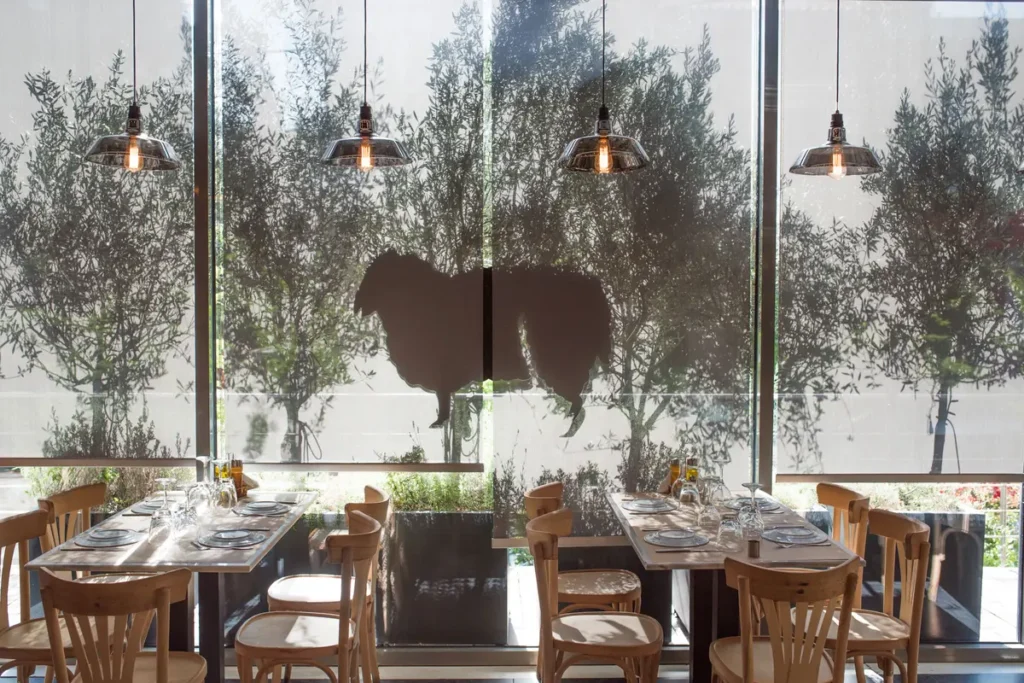
Mavro Provato, also known as Black Sheep, is the neighborhood detour for travelers who want dinner in Pagrati instead of another evening in the historic center.
Pagrati is the draw. Mavro Provato belongs on this list as a relaxed traditional option outside the Acropolis and Syntagma circuit, giving the meal a more neighborhood-led setting than the central restaurants above.
Do not choose it for certainty about one signature plate or a particular bill. Choose it when the point is leaving the historic center behind for the evening and settling into a more residential part of Athens.
Atlantikos
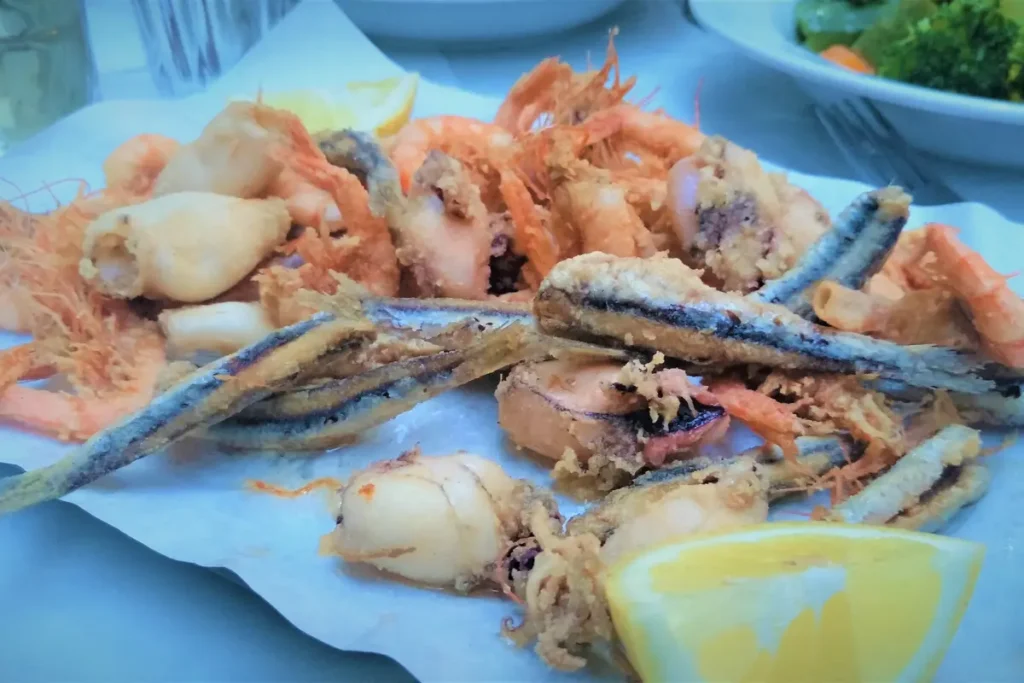
Atlantikos is for seafood, not a catchall recommendation for Greek food in Athens. Its focus makes it the natural choice for diners who would rather share fish and meze than order from a mixed taverna menu.
That narrower identity is the reason it earns a place here. Instead of trying to cover every familiar Greek dish, Atlantikos gives seafood the leading role and offers a useful contrast to the meat, market cooking, and cured-meat specialists elsewhere on the shortlist.
It suits a seafood-first lunch or dinner in Psiri, where the meal can remain narrow and specific. Check current hours and operating details before making plans, particularly when traveling for one restaurant instead of choosing it as part of an evening in the neighborhood.
Liondi
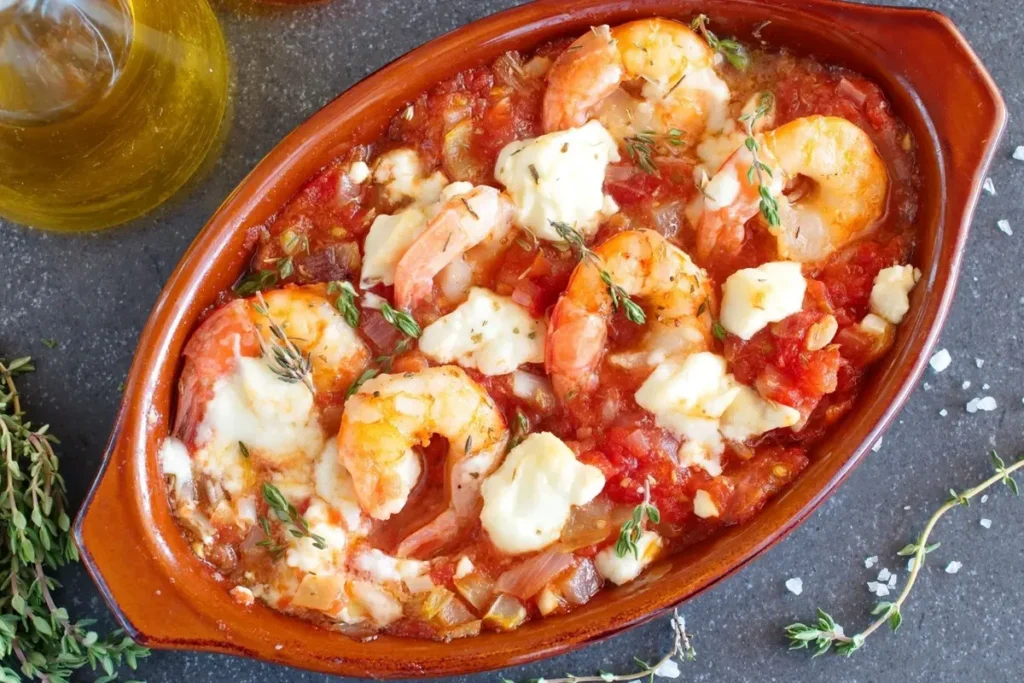
Liondi is an accessible traditional Greek restaurant near the Acropolis. At 19-21 Makriyianni Street, it lists daily hours of 11 a.m. to 10 p.m., a vegetarian menu, and a conventional Greek menu with moussaka, chicken souvlaki, and shrimp saganaki.
It is the simplest option for travelers who want familiar Greek dishes near the archaeological sites without relying on a vague promise of “local” dining. The menu makes the decision clear: moussaka combines eggplant, potato, minced meat, and béchamel; chicken souvlaki and shrimp saganaki provide direct alternatives; vegetarian diners have a dedicated menu rather than an assumed accommodation.
Its Makriyianni location beside the Acropolis makes Liondi an easy central option rather than a neighborhood detour. That is its trade-off as well as its advantage: choose it for convenience, a clearly documented menu, and familiar Greek cooking rather than for the feeling of having found an obscure local address.
What to order: The menu lists moussaka at €15.50, chicken souvlaki at €15.90, and shrimp saganaki at €18.90. These are per-dish prices and may change.
Reservation reality: Liondi lists daily service from 11 a.m. to 10 p.m. Check directly for booking requirements, especially around peak sightseeing hours.
Considered but excluded
Taverna o Platanos: This Plaka classic has a long history of serving traditional Greek food in a small square. Its central setting, however, makes it less distinctive for a shortlist intended to move beyond the main tourist circuit.
Klimataria: Klimataria has traditional-taverna credentials, a vine-covered courtyard, and live music reported on Fridays, Saturdays, and Sundays. It remains a plausible choice for a traditional meal, but there is not enough current detail to make it a stronger recommendation than Epirus or To Steki tou Elias.
Sense: Sense has a clear role in Athens as a special-occasion tasting-menu restaurant with Acropolis views from the seventh floor of the AthensWas Hotel. It falls outside this list because the format is a splurge tasting menu, not traditional or neighborhood Greek dining.