Late May to early June and September to October are the best times to visit Greece for most travelers. These windows bring warm, generally dry conditions and less pressure on the country’s most visited islands and archaeological sites. Tourism infrastructure is largely operating, without requiring a trip to revolve around July and August heat or peak-season demand.
For a beach-first trip, the useful season runs longer, from late May through early October. The sea is warmest from July through September, while September is the stronger choice for travelers who want reliable swimming with less intense heat. Winter also has a clear role, especially for Athens, museums, and mainland archaeology, but it is not the season for a conventional island vacation.
We judge timing by weather, crowd pressure, seasonal openings, transport availability, and how well each period supports the trip it is being asked to deliver. Read more about how we evaluate destinations, and use our Greece guide for destination-level planning.
Best time to visit Greece at a glance
| Travel window | Weather pattern | Crowds and demand | What is operating | Best fit |
|---|---|---|---|---|
| April to May | Mild spring weather, with little rain by May; sea can still feel cool | Lighter than summer, except around Greek Easter | Island season builds through spring | Archaeological sites, cities, walking, cycling |
| June | Dry, sunny, and increasingly hot; sea becomes more suitable for swimming | Rising demand | Strong ferry, sailing, and resort access | A balanced city-and-island trip, cruising, swimming |
| July to August | Hottest and mostly dry; warm sea | Peak crowds, cruise pressure, and high accommodation demand | Fullest summer network | Beach time, sailing, nightlife, water sports |
| September to October | Warm sea in September; milder air and more variable weather later in October | Pressure eases after summer | Broad access continues, though seasonal closures begin toward the end of October | The strongest all-round trip, walking, swimming, food and wine |
| November to March | Cooler and wetter, with the greatest chance of unsettled weather | Quiet outside holiday periods | Mainland cities remain practical; many island businesses close | Athens, museums, and mainland culture |
Spring: April to June for sightseeing, hiking, and the first beach days
April and May suit ruins, cities, and walking; June makes more sense when swimming and island connections take priority. Spring works especially well for travelers who want long days at sites such as the Acropolis, Delphi, or Knossos without the physical demands of high summer. It is also a strong season for hiking and cycling before the heat takes hold.
April can be sunny and well suited to land-based travel, though the tourism season is still beginning in some island destinations. Greek Orthodox Easter often falls in late April or early May, and Holy Week can bring substantial domestic travel and family visitors. Because the calendar shifts each year, check the dates before committing to transport or accommodation.
May is the spring month we favor. Temperatures have risen, rainfall is relatively limited, and island hotels and restaurants are more widely open. Wildflowers add to the seasonal appeal, but the practical case is more direct: outdoor sightseeing is easier before the height of summer, and the island network has more of its usual rhythm. The compromise is the sea, which may still feel cool for travelers planning long daily swims.
By June, conditions are dry and sunny, the sea warms, and calmer seas support sailing, cruising, and ferry travel. It is no longer a quiet shoulder-season option, particularly later in the month, yet it remains a better compromise than July or August for a first trip combining Athens with one or two islands. For ideas beyond the beach, see Calanova’s guide to the best things to do in Greece.
Summer: June to September for beaches and island-hopping
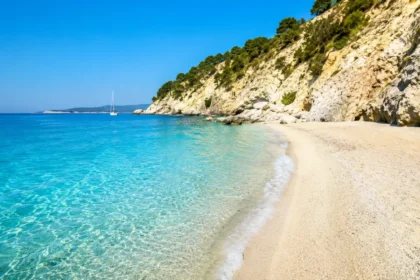
Summer suits travelers whose Greece trip is built around the water. From June through September, the country has its most dependable beach conditions, broadest resort activity, and frequent ferry services. July through September bring the warmest sea, making this the season for swimming, sailing, kayaking, cruising, and long beach days.
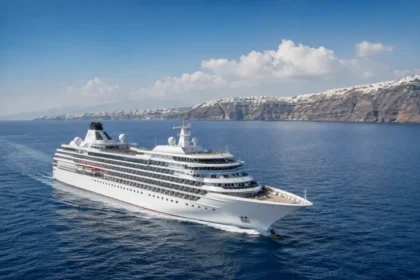
Island-hopping is particularly straightforward during this period. Ferry services are more frequent and regular from May through September, allowing more flexibility between islands than the winter timetable. June is the more measured summer option: the weather is established, sea conditions are generally favorable, and the busiest part of the season has not fully arrived. It is a particularly sensible month for a cruise or sailing itinerary.
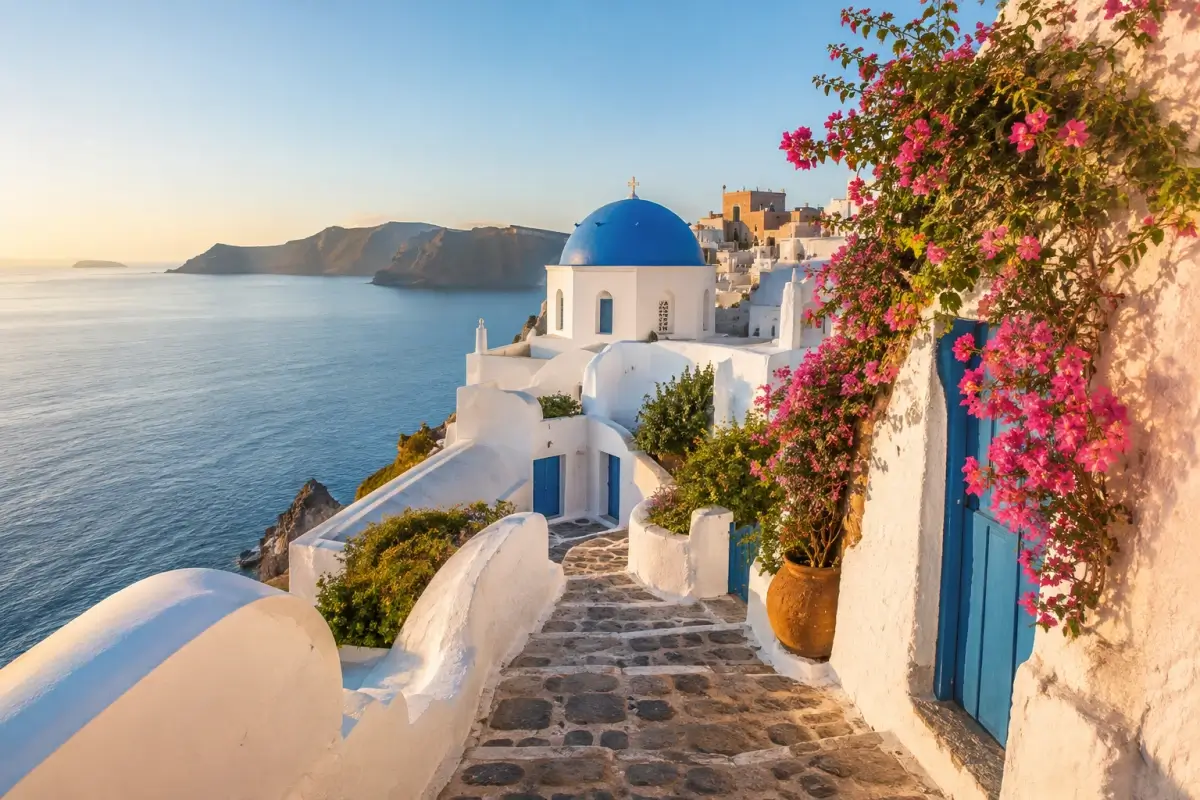
July and August bring Greece to maximum intensity. They are the hottest months, with July widely identified as the hottest point of the year. Mykonos and Santorini, among the most popular islands, face their greatest visitor pressure, and Athens is heavily visited as well. Hotels, flights, and ferries can be fully booked, while accommodation and services are typically at their highest prices.
High summer is not a mistake for travelers seeking nightlife, beach clubs, warm water, water sports, and a fully active island scene. But the trade-off is straightforward: the same conditions that draw visitors create the strongest demand. For a sea-led itinerary, browse Calanova’s best Greece cruises before deciding whether a June departure or a hotter July to September sailing fits better.
Autumn: September and October for the strongest all-round trip
September is the single best month for an all-round Greece trip. The sea remains at or near summer warmth, while air temperatures ease enough to make walking, driving, and archaeological sites more comfortable. Crowds do not disappear, especially early in the month, but the direction is favorable.
For a first visit that combines a city, historical sites, and beach time, this is the period we would choose. September retains much of summer’s operating strength without requiring travelers to organize each day around peak heat. It also works well for sailing and island-hopping, with frequent ferry connections still running through the core travel season.
October is a close second for travelers who place walking, food, and cultural sites ahead of guaranteed daily swimming. Days can remain warm, and the sea may still suit a swim, but weather becomes more unsettled as the month progresses. As the tourism season winds down, the final weeks require closer attention to individual hotel, restaurant, and ferry calendars.
Harvest season is a supporting reason to travel in autumn, not a reason to assume a specific event will coincide with a trip. September brings grape harvest activity in parts of Greece, including Santorini and the Peloponnese, while November is associated with the olive harvest. The more persuasive case remains practical: warm water, softer heat, and less crowd pressure than high summer. For help turning that timing into a route, see Calanova’s Greece itinerary guide.
Winter: November to March for quiet mainland culture
Winter is the contrarian choice for Athens and mainland culture, not a classic island escape. Cities and major archaeological sites are quieter, and accommodation in places such as Athens and Thessaloniki can have softer low-season rates. Travelers more interested in museums, urban neighborhoods, and unhurried site visits than beach weather may find this the most rational time to go.
The limitation is operational as much as climatic. Winter is cooler and wetter, with a greater chance of rain and storms. Some sights may keep shorter hours or close during lunch, tourist information offices can reduce hours, and certain activities disappear until the next tourism season. Conditions can be cold enough for snow in areas such as Meteora and Delphi.
The islands require more caution. Many island hotels, restaurants, and resorts operate seasonally and close from roughly November through April. A property that remains open may cost less than in summer, but low season is not a uniform island bargain. Ferry crossings can also be delayed or canceled in bad weather. Build a winter trip around the mainland first, then confirm lodging and transport options for each island individually.
Christmas and New Year are exceptions to the broader low-season price pattern, with higher holiday demand possible. For a city-based winter stay, Calanova’s best hotels in Greece guide is a better starting point than an island-led plan.
What to avoid for most travelers: July and August sightseeing
We would avoid July and August for a trip centered on ruins, cities, or hiking when dates are flexible. Greece is at its hottest, demand is highest, and the most popular islands and sights are at their most crowded. Outdoor plans can need to work around the hottest afternoon hours.
The drawback is clearest on active itineraries. Walking and cycling trips may pause in July because of the heat, and businesses can close during the hottest part of the afternoon. Archaeological sites are less forgiving when cruise-ship crowds and intense sun arrive together. The appeal of ancient sites remains intact, but conditions are less favorable than in April, May, September, or October.
Beach travelers should not read this as a universal warning. July and August remain the deliberate choice for the warmest, driest part of the year, high-energy islands, festivals, and water-based activities. August 15, the Assumption of the Virgin Mary, is a major public holiday marked across Greece and can affect local demand and closures. Choose high summer for what it does best, not because it is expected to be Greece’s most comfortable season for every type of trip.
Choose your month by the trip you want
- For beaches and the warmest sea: July through September. August and September keep the water especially warm, though July and August bring the greatest demand.
- For a balanced first trip: Late May through June, or September. These periods combine open islands, workable ferry connections, and conditions suitable for both sightseeing and beach time.
- For hiking and archaeological sites: April through May, or October. These are the better windows for sustained outdoor exploration without the full force of midsummer heat.
- For island-hopping: May through September, when ferry services are more frequent and regular. June and September make the strongest compromise between movement, weather, and crowd levels.
- For a quiet city break: November through March. Focus on Athens and the mainland, while treating island travel as a route that needs individual checks.
The most adaptable travelers should prioritize September. Those committed to swimming every day should move toward July through September. Travelers who see Greece primarily through archaeology, landscape, and museums should resist the reflex to book August, choosing spring or autumn instead. Calanova’s best things to do in Greece guide can help match the season to the activities that matter most.
Practical timing: ferries, seasonal openings, holidays, and prices
Ferry planning is central to a Greek island trip. Services are more frequent and regular from May through September, the practical core of the island-hopping season. Outside that window, routes can run less often, and winter weather can delay or cancel crossings. Do not assume a route operating in August will follow the same timetable in April or October.
Seasonal openings are equally uneven. Many island hotels, restaurants, and resorts close between roughly November and April, though individual calendars differ. Spring and autumn are not identical: May generally has a fuller choice of island businesses than April, while October can retain broad access before closures gather pace. Confirm the operating dates of the properties, restaurants, and activities that matter to the trip.
Prices generally follow demand, though no universal rule applies. July and August typically bring the highest accommodation and service prices, alongside the strongest pressure on flights and ferries. November through March can bring lower prices for international flights and city hotels, especially in Athens and Thessaloniki, apart from Christmas and New Year. Island savings depend on finding a property that is actually open.
Check public and religious holidays against travel dates. Greek Orthodox Easter changes each year and can concentrate domestic travel around Holy Week. August 15 is a nationwide religious holiday, while October 28, Ohi Day, is a public holiday when schools and workplaces close. These dates need not derail a trip, but they are poor times to leave transport and restaurant planning to chance.